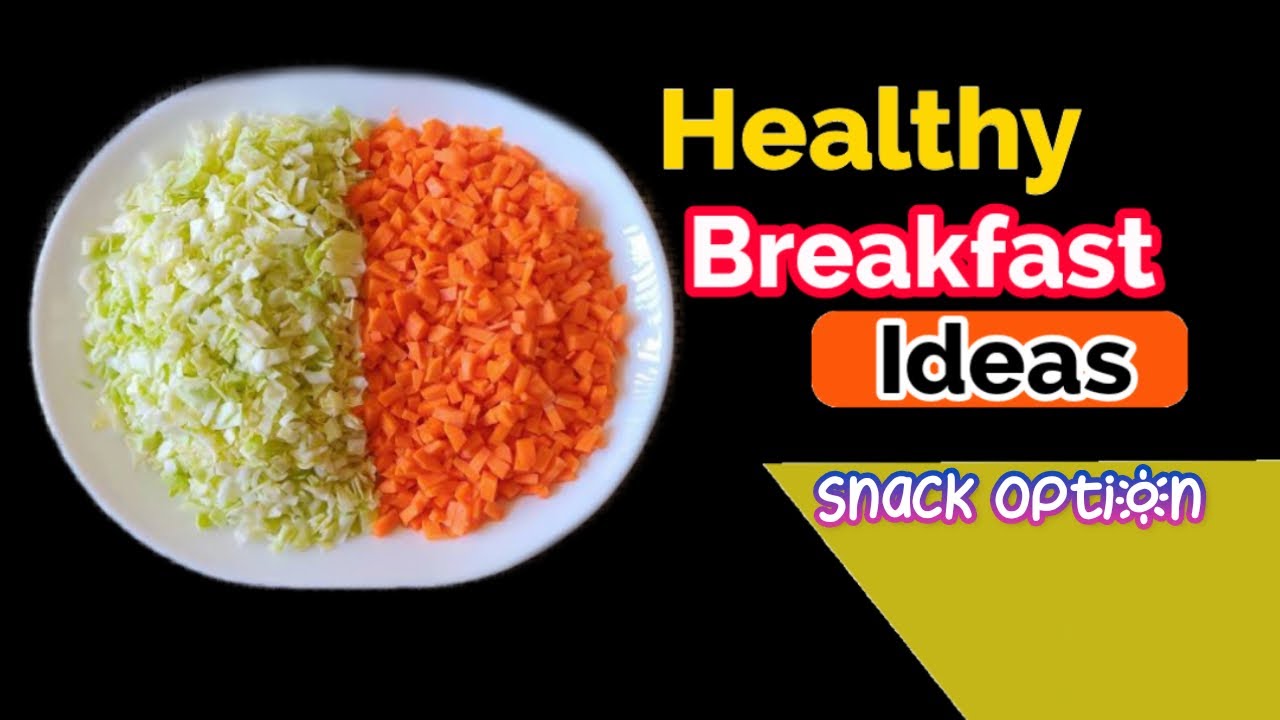
Hey guys! Below are some interesting facts about the main ingredients used in this video. I hope it helps and adds to your exciting diet list. Thank you for watching!
==========
White cabbage is a divisive vegetable; it has a reputation for being mushy and sulphurous. It is wonderful – sweet, mild and earthy with a light crunch. It’s also incredibly versatile – it can be shredded and eaten raw in salads or coleslaw, and you can pickle or ferment it too. But in this video, it is fry lighty bringing out its natural crisp sweetness. White cabbage is at its best in December but is available from September onwards.
==========
Carrots (Daucus carota) are root vegetables often claimed to be the
perfect health food. Carrots are found in many colors, including yellow, white, orange, red, and purple. Orange carrots get their bright color from beta carotene, an antioxidant that your body converts into vitamin A. Carrots contain very little fat and protein. Carrots are about 10% carbs, consisting of starch, fiber, and simple sugars. They are extremely low in fat and protein. Carrots are a good source of several vitamins and minerals, especially biotin, potassium, and vitamins A (from beta carotene), K1 (phylloquinone), and B6. Carrots are an excellent source of vitamin A in the form of beta carotene. They are also a good source of several B vitamins, as well as vitamin K and potassium. Carrots are a great source of many plant compounds, especially carotenoids, such as beta carotene and lutein.
=====
White onion or Allium cepa are a cultivar of dry onion which have a distinct light and mild flavour profile. Much like red onions, they have a high sugar and low sulphur content, and thus have a relatively short shelf life.
==========
Nutritional Facts Sources:
healthline.com
greatbritishsource.com
==========
For any business concerns, please reach me at veinteresting@gmail.com
==========
#healthyBreakfastIdeas
#snackOption
#veinteresting