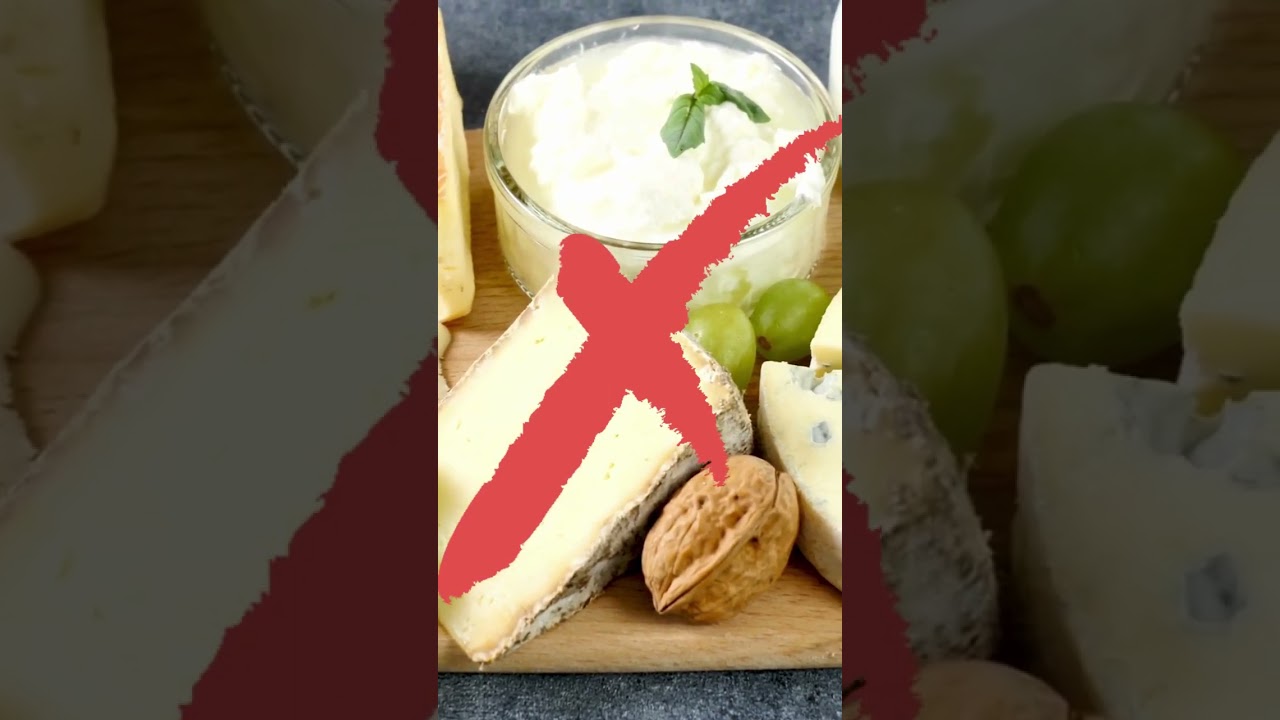
A vegetarian does not eat animal flesh like meat, poultry, or fish. A vegan is a stricter vegetarian who avoids consuming dairy, eggs, and other animal ingredients.
What is a vegetarian diet?
A vegetarian does not eat meat, poultry, game, fish, shellfish, or by-products of animal slaughter. And Vegetarian diets contain various levels of fruits, vegetables, grains, pulses, nuts, and seeds.
What is a vegan diet?
A vegan diet can be viewed as the strictest form of vegetarianism.
Veganism is a way of living that attempts to exclude all forms of animal exploitation and cruelty as much as possible. This includes exploitation for food and any other purpose.
Regarding ethics, vegetarians are opposed to killing animals for food but generally consider it acceptable to consume animal by-products, such as milk and eggs, as long as the animals are kept in adequate conditions.
Nutrition point of view for vegetarian and vegan diets
Research shows vegetarian and vegan diets are low in saturated fat and cholesterol. They also contain high amounts of vitamins, minerals, fibre, and healthy plant compounds.
Both diets contain a high amount of nutrient-dense foods. These include fruit, vegetables, whole grains, nuts, seeds, and soy products. On the other hand, poorly planned vegetarian and vegan diets could result in low intakes of some nutrients, particularly iron, calcium, zinc, and vitamin D.
Both diets contain limited amounts of vitamin B12 and long-chain omega-3 fatty acids, although these nutrients are generally lower in vegans than in vegetarians.
Are these diets healthier?
An insufficient intake of nutrients such as omega-3 fatty acids, calcium, and vitamins D and B12 can negatively impact mental and physical health.
Nonetheless, vegetarians and vegans should pay special attention to nutrition strategies to increase nutrient absorption from plant foods.
It may also be necessary to consume fortified foods and supplements, especially for nutrients such as iron, calcium, omega-3, and vitamins D and B12.