
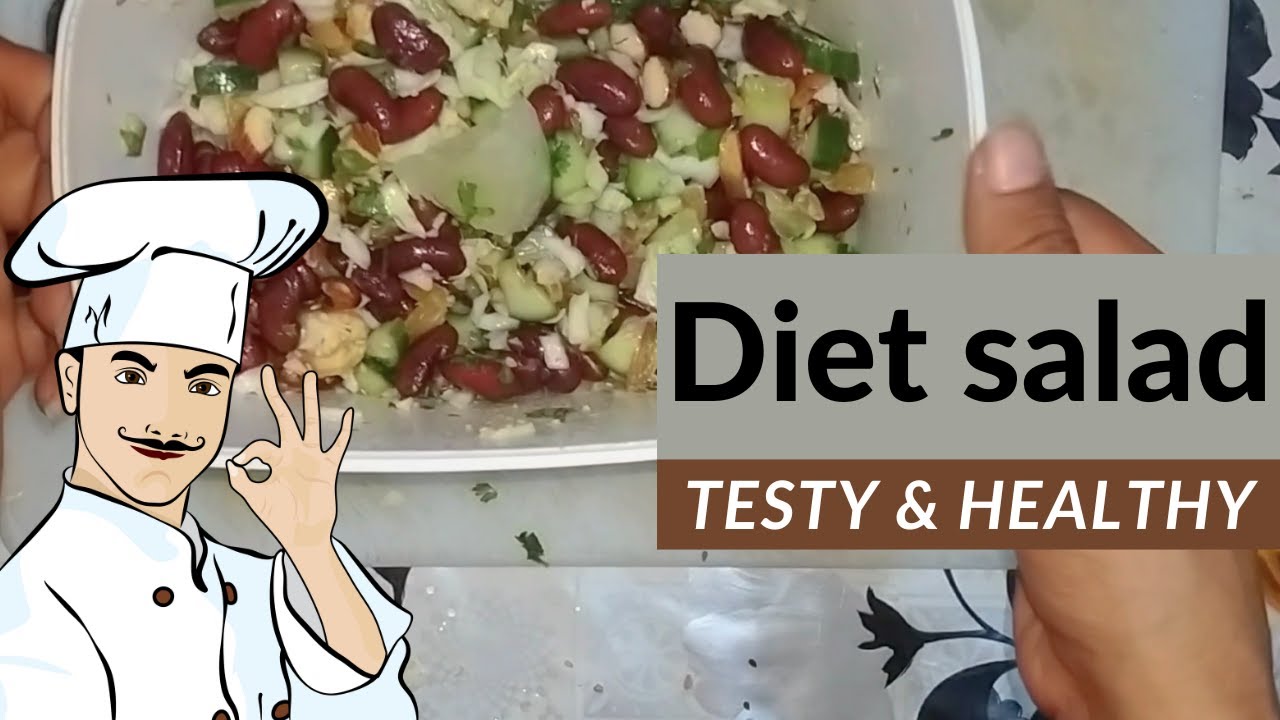
Ingredients:
2 cut beans
1 cucumber
1/2 cabbage
10 almond
10 to 15 dates
1 gram raisin
1/2 gram of sesame seeds
2 spoon olive oil
coriander leaves
mint leaves
Salt to taste
Instructions:
Chop cucumber, cabbage, dates, almonds, coriander, raisin, and mint leaver add all ingredients to the bowl and add some salt and olive oil. Mix well and add some sesame seeds, mix mix mix, take a spoon, and enjoy the healthy salad.
salad
Salad is a versatile and refreshing dish that typically consists of a mixture of raw or cooked vegetables, fruits, grains, and sometimes proteins, such as meat, poultry, or seafood. It is often served chilled and dressed with a variety of sauces or dressings, enhancing its flavors and providing a balanced and nutritious meal.
Salads have been a part of human cuisine for centuries, with variations found in cultures around the world. The ancient Greeks and Romans, for example, enjoyed mixed greens with dressing, while Asian cuisines incorporate a wide array of vegetables, herbs, and noodles into their salads. The popularity of salads has only grown in recent years as people become more health-conscious and seek lighter, nutrient-rich meals.
One of the main advantages of salads is their versatility. They can be customized to suit individual preferences and dietary needs. Vegetarian or vegan salads often feature a medley of fresh vegetables, legumes, grains, and seeds, providing a great source of fiber, vitamins, and minerals. For those who prefer a heartier option, adding lean proteins like grilled chicken, shrimp, or tofu can make a salad more satisfying and complete.
Salads can also be categorized by their base ingredients. Some of the most common types include:
Green Salad: This is a classic salad made primarily with mixed greens, such as lettuce, spinach, arugula, or kale. It often includes various vegetables, such as tomatoes, cucumbers, and bell peppers, and is typically dressed with vinaigrettes or creamy dressings.
Caesar Salad: Originating from Italy, Caesar salad features crisp romaine lettuce, croutons, Parmesan cheese, and a creamy dressing made with garlic, anchovies, lemon juice, and olive oil. It’s a popular choice as both a side dish and a main course.
Fruit Salad: As the name suggests, this type of salad showcases a combination of fresh fruits, such as berries, melons, citrus fruits, and tropical fruits. It can be served as a light dessert or a refreshing accompaniment to a meal.
Pasta Salad: Pasta salads incorporate cooked pasta, such as penne or fusilli, with a variety of vegetables, herbs, and dressings. They are often served cold and are a popular choice for picnics, potlucks, or summer gatherings.
Grain Salad: These salads feature cooked grains like quinoa, bulgur, or couscous, mixed with vegetables, herbs, and sometimes dried fruits or nuts. They are a great option for those looking to incorporate more whole grains into their diet.
Regardless of the type, salads are not only delicious but also offer several health benefits. They are typically low in calories, rich in vitamins, minerals, and antioxidants, and provide a good amount of dietary fiber. Salads can be an excellent way to increase your daily vegetable and fruit intake and can contribute to a well-balanced diet.
Overall, salads provide a refreshing, nutritious, and customizable option for meals, offering endless possibilities for flavor combinations and ingredient choices. Whether enjoyed as a side dish or a main course, salads are a fantastic way to incorporate a variety of fresh, wholesome ingredients into your diet.
Healthy salad recipe
Beans and greens salad
Salad recipe with beans and greens
Nutritious salad recipe
Green salad with beans
High-protein salad recipe
Fiber-rich salad recipe
Vegan salad recipe
Vegetarian salad recipe
Easy salad recipe
Quick salad recipe
Homemade salad recipe
Simple salad recipe
Fresh salad recipe
Wholesome salad recipe
Delicious salad recipe
Tasty salad recipe
Salad recipe for weight loss
Salad recipe for a healthy diet
Salad recipe for meal prep