
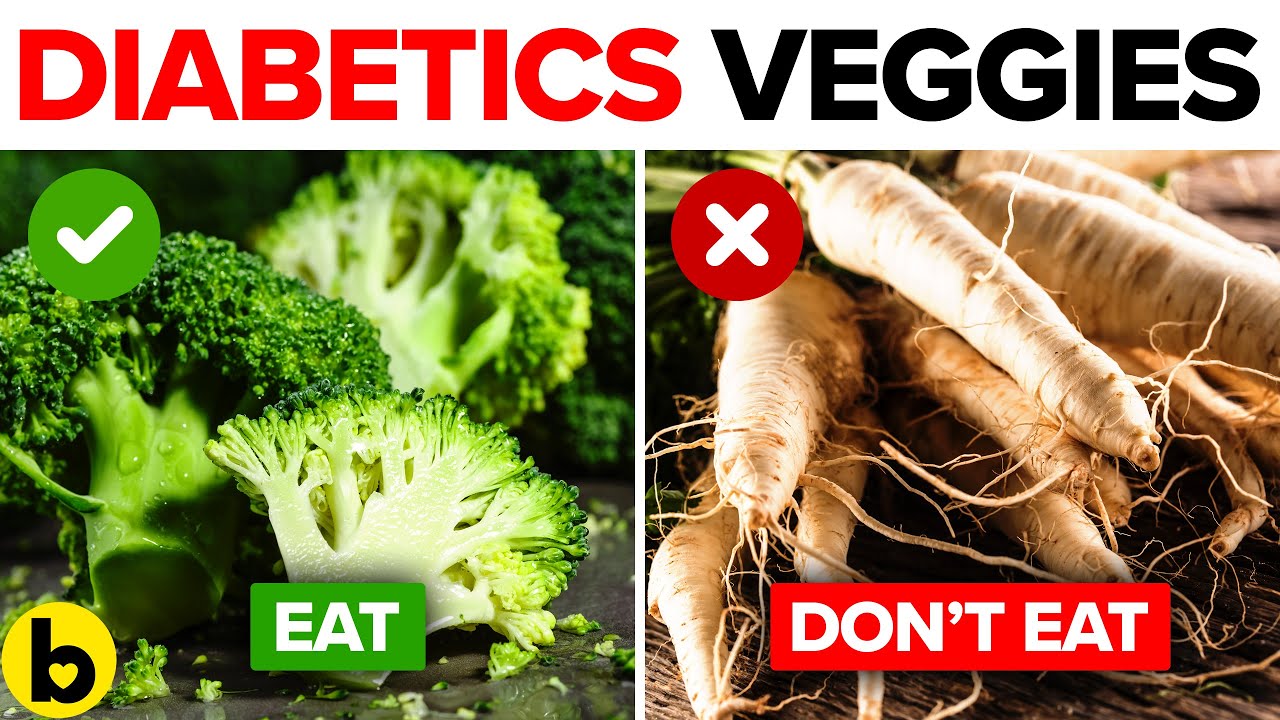
Did you know that almost 10% of the American population is living with diabetes. This makes it one of the worst diseases in the country as well as around the world. The obvious route for treating diabetes is regular exercise and eating right.
Other videos recommended for you:
WATCH 🎥: 9 Fruits You Should Be Eating And 8 You Shouldn’t If You Are Diabetic – https://youtu.be/9JRdOBIEhyE
WATCH 🎥: 13 Foods Diabetics Should Be Eating – https://youtu.be/TcmsABbf0UE
#Diabetics #Vegetables #Bestie
Sources: https://pastebin.com/JJEvVDBz
Timestamps:
Intro – 0:00
Broccoli – 00:45
Cabbage – 01:28
Kale – 02:12
Carrot – 02:51
Cauliflower – 03:32
Asparagus – 04:09
Potato – 05:02
Corn – 05:48
Butternut Squash – 06:32
Parsnip – 07:21
Pumpkin – 08:14
Vegetable Juice – 09:02
Music:
https://www.youtube.com/audiolibrary/music
https://www.epidemicsound.com/
Summary:
Broccoli
Let’s start off by talking about one of the healthiest vegetables on the planet. Broccoli is a superfood for people with diabetes. A wholesome meal is incomplete without greens. Packed with antioxidants, folate and a host of other vitamins and nutrients, they are beneficial for not just diabetics, but for everyone!
Cabbage
Obesity is one of the primary causes for diabetes. Filling up on veggies is a great way of managing diabetes, as well as promoting weight loss. Soluble fiber is one of the several nutrients found in cabbage. It contributes to regulating blood sugar.
Kale
Kale is the queen of greens. They’re packed with vitamin C, fiber, antioxidants and a range of nutrients. People with irregular blood sugar should have foods high in vitamin C due to their capacity to cure inflammation, which is another one of the major causes for diabetes.
Potato
Who doesn’t love french fries, mashed potatoes or wedges? This popular side dish is hearty, wholesome and delicious. However, everything about potatoes makes them bad for diabetics. This starchy root vegetable which is packed to the brim with calories and carbs causes a severe spike in sugar levels.
Corn
Having corn on the cob every now and then as a side dish or a salad adds just the right hint of sweetness and color to any meal of the day. While non diabetics can enjoy different corn dishes with a variety of toppings, people with moderate to severe diabetes should avoid eating them.
For more information, please watch the video until the very end.
—————————————————————————————-
Subscribe to Bestie : https://goo.gl/tUqro6
—————————————————————————————-
Our Social Media:
Facebook: https://www.facebook.com/bestieinc/
—————————————————————————————-
Medical Disclaimer: https://pastebin.com/xLmigD6i
Website: www.bestie.com
Hey there, viewers and welcome back to another Bestie video. Did you know that almost 10% of the American population is living with diabetes. This makes it one of the worst diseases in the country as well as around the world. The obvious route for treating diabetes is regular exercise
And eating right. Picking the right foods may seem like quite a task, but that’s not the case. It’s all about knowing which vegetables to eat and which ones to avoid. Foods low in sugar and rich with fiber and complex carbs are the go-to food choices
For diabetics. In simple words, a proper meal will balance out your blood sugar. Drop the corn and potatoes, and say hello to broccoli and kale! Let’s talk about vegetables that are awesome for diabetics: Broccoli Let’s start off by talking about one of the healthiest vegetables on the planet. Broccoli is
A superfood for people with diabetes. A wholesome meal is incomplete without greens. Packed with antioxidants, folate and a host of other vitamins and nutrients, they are beneficial for not just diabetics, but for everyone! Eating around 1 cup of cooked broccoli as a side dish, or in a green
Smoothie helps level out your blood glucose level, while also giving you much-needed energy. Being densely packed with fiber, they keep you full for longer and away from unhealthy snacking. What’s your favorite unhealthy snack? Sound off in the comment section and start a conversation with the Bestie community. Cabbage
Obesity is one of the primary causes for diabetes. Filling up on veggies is a great way of managing diabetes, as well as promoting weight loss. Soluble fiber is one of the several nutrients found in cabbage. It contributes to regulating blood sugar. Carb cutting and loading up on
Fiber-rich veggies like cabbage is a great way of managing erratic post-meal blood glucose spikes. Did you know that the antioxidants present in cabbages delay the progression of diabetes, while also slowing down the process of cell damage? The next time you’re having lunch,
Try out a cabbage salad wIth the lean protein of your choice and stay full until dinner! Kale Kale is the queen of greens. They’re packed with vitamin C, fiber, antioxidants and a range of nutrients. People with irregular blood sugar should have foods high in vitamin C
Due to their capacity to cure inflammation, which is another one of the major causes for diabetes. The green, crinkly leaves of kale have a bitter taste. Adding them to your salad or smoothie will protect your heart and detox the body. Stir up a kale salad,
Whip them into a soup or stir fry them with other healthy veggies for a healthy meal. Carrot Did you know diabetics shouldn’t eat carrots? This is a misconception. Steering clear of starchy, calorie dense vegetables is key for a diabetic-friendly meal.
Carrot is a non starchy, nutritious vegetable that ranks low in the glycemic index. Adding a bit of color to a meal is never a bad idea and when it comes to carrot, you also get to enjoy long lasting health benefits. Carotene prevents diabetes from getting worse,
While the healthy carbs and vitamins protect your eyes and heart. Swap your normal snacks with baby carrots and keep your blood sugar stable. Cauliflower They fall under cruciferous veggies, just like their cousin broccoli and cabbage. With the world shifting towards healthier alternatives,
Riced cauliflower and cauliflower crust pizza has gained a lot of attention. Along with being an amazing kidney-friendly vegetable, cauliflower is extremely low on carbs. Brimming with nutrients like folate, potassium and vitamins, enjoying a cauliflower lentil curry or any other cauliflower dish ensures a much more stable blood glucose level.
Asparagus For the longest time, asparagus has been used for their healing benefits. The nutritional benefits of this exotic vegetable include an improved digestive system, healthy pregnancy and lowering blood pressure. Due to their low calorie, high antioxidant, potassium and soluble fiber content
They have found their way into your diabetic friendly meal. Eating them regularly as a side dish keeps the blood sugar in check by increasing the production of insulin. Easy to make asparagus is a pocket friendly and delicious way of keeping a check on blood sugar.
Now let’s switch to the vegetables that are bad choices for diabetics: But before we continue, looking to lose weight? Here are some reliable methods that will help you lose a couple pounds. Now back to the best and worst foods for diabetics. Potato
Who doesn’t love french fries, mashed potatoes or wedges? This popular side dish is hearty, wholesome and delicious. However, everything about potatoes makes them bad for diabetics. This starchy root vegetable which is packed to the brim with calories and carbs causes a severe spike
In sugar levels. These carbs break down into sugar and get released into the bloodstream, causing blood sugar to rise substantially. If not kept in check, these simple meal mistakes can lead to long term heart problems. To bring these levels back to normal, or even as a weight loss measure,
Potatoes should be cut off, or be replaced with cruciferous veggies. Corn Having corn on the cob every now and then as a side dish or a salad adds just the right hint of sweetness and color to any meal of the day. While non diabetics can enjoy different corn dishes with
A variety of toppings, people with moderate to severe diabetes should avoid eating them. Mainly because corn contains carbs, especially sweet corn, that gets converted into glucose and in turn causes a rise in blood sugar. However, not all
Is bad. You can still enjoy corn in the form of popcorn without experiencing a rise in glucose. Just stay away from artificial flavored toppings and too much salt. Butternut Squash Technically a fruit, but traditionally served as a vegetable, butternut squash can be described
As a cross between pumpkin and sweet potato. The flavor adds something great to any dish. But despite being delicious, diabetics should be careful while eating this squash. Although they have less carbs than potatoes, they’re still dangerous. Just one cup of diced squash contains as much as 16 grams. This is a huge problem,
Especially if you’re counting calories. When eaten in moderation they provide enough antioxidants to eliminate the harmful free radicals and fill you up with vitamins A and C. A side of roasted butternut squash at about half a cup is great for a diabetic friendly meal! Parsnip
Holiday meals and parsnip go hand in hand. They may seem like carrot’s pale relatives but they are not as good for diabetics. Although they share the common ability to boost serotonin, parsnip is a no-go for a diabetic. This is because just one small cup of parsnip contains 24 grams
Of carbs and 6 grams of sugar, which causes a sharp rise in blood sugar. Frequent rise in blood sugar without regulation can lead to diabetes. Especially for people who are prone to it. It can also cause serious health problems in people who are already living with diabetes.
Substituting parsnip with sweet potatoes or carrots will fill you up on natural nutrients like vitamins, antioxidants and carotene and keep blood sugar within the normal range. Pumpkin Popping with bright, orange color and deliciously comforting in taste, pumpkin is that taste for the holiday season. But if you’re dealing with diabetes,
It would be wise to avoid this vegetable. Ranking high in the GI index, pumpkins are very sweet and cause a sharp spike in blood sugar. It’s packed with unhealthy carbs that quickly get released into the bloodstream and raise blood sugar. Pumpkins are especially beneficial for people dealing with vision impairment,
Nerve damage and heart disease. However, despite all these benefits they cannot be enjoyed wholeheartedly by people dealing with long term, severe diabetes. Eating pumpkin in a much more controlled manner will keep your blood sugar at the normal level while also fulfilling your cravings. Vegetable Juice
A juice cleanse is one of the most popular ways of detox. But it’s not for everyone. When it comes to diabetics, vegetable juices are a terrible choice no matter how healthy they claim to be. The problem is that all vegetables are stripped of their essential soluble fibers,
Leaving behind a lot of vegetable juice. Drinking this will raise your blood glucose. Vegetable juices have become a quick, trendy way of getting all the nutrients. But they’re also high in sugar content making them a no-go for diabetics. Diabetes is a serious condition that requires changes in lifestyle.
Eating right and exercising will really help. If left untreated it can cause serious heart problems and other complications that worsen the situation. Watch these other videos… Check out our list of signs you have high blood sugar levels. Or how about foods that diabetics should be eating.
Go ahead, click one. Or better yet, click both and become a healthier person! How do you handle blood sugar spikes? Let us know in the comments below.