
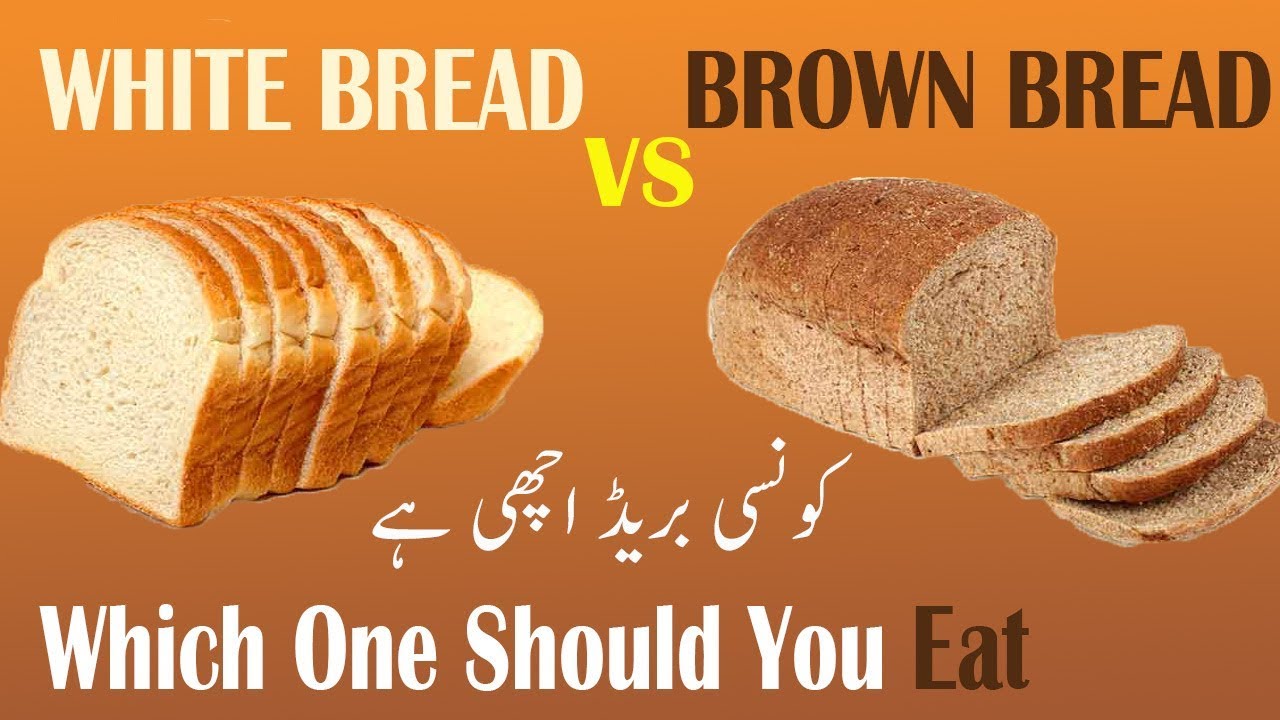
What is the difference?
The main difference between the two really just comes down to the way that each is processed. With wheat bread, the processing leaves the most nutrient-rich components intact: the bran, the germ, and the endosperm. Essentially, these are the layers of the wheat berry, which hold all of the vitamins and minerals originally found in wheat bread.
White bread, on the other hand, is processed so that only the endosperm is intact. This basically strips the wheat berry of the majority of its nutrition so that all you’re left with is the starchy layer that gives the bread that deliciously addicting effect.
white bread is still so popular even though we know that it’s not quite as healthy as wheat bread. Despite its popularity, it may not be the best choice.
As you can guess at this point, white bread is not a nutritionally sound food.
It is also very low in fiber, making it a carbohydrate likely to cause a spike in blood glucose. As a result, white bread is likely to cause weight gain without the added benefit of nutrition.
Wheat bread maintains most of its nutritional integrity throughout the processing so that you still have the majority of vitamins and minerals by the end.
It is also loaded with fiber, which is linked to weight loss and a healthy digestive system.
Wheat bread also can help lower your risk of heart disease and type 2 diabetes, unlike white bread.
Though wheat bread has much of its nutrition intact it is still, unfortunately, full of a lot of the same chemicals and preservatives that white bread has in order to extend its shelf life.
Wheat bread is also often made with a lot of sugar in order to appeal to the masses. While this may make the taste better it also sort of cancels out the original health benefits.