
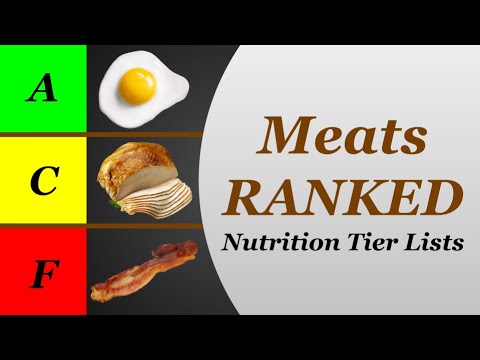
Meats. Often the centerpiece of the meal, meats offer a certain nutritional profile that is very difficult to impossible to replicate without them. Not all meats are created equal though. Today we will be breaking down their nutritional profiles to see which ones you should be building your meal plan around, and which ones are best left on the shelf.
All nutrient data is pulled from the USDA’s National Nutrient Database for Standard Reference.
Introducing: Meats – 0:00
Bacon – 2:06
Beef – 5:01
Bison – 7:13
Bratwurst – 8:37
Chicken Breast – 9:54
Chicken Thigh – 11:05
Cod – 12:14
Crab – 13:11
Duck – 14:16
Egg – 15:09
Goat – 16:32
Ham – 17:27
Hot Dog – 18:45
Lamb – 19:58
Liver – 20:54
Mutton – 22:11
Pepperoni – 23:16
Ground Pork – 24:18
Pork Chops – 25:25
Rabbit 26:20
Salami – 26:59
Salmon – 27:54
Italian Sausage – 29:12
Shrimp – 30:01
Steak – 30:46
Canned Tuna – 32:01
Fresh Tuna – 32:56
Turkey Breast – 33:58
Ground Turkey – 34:39
Venison – 35:20
Outro – 36:13
#meat #nutrition #nutritiontierlist #meattierlist #diet #tierlist #mealplan
hello everybody this is Challen and this is the first in my new series nutritional tier lists where I’m going to be breaking down all the most commonly eaten options in a specific food group and ranking them based on how nutritious they are and how good they are for your health today we’re going over Meats meats are the Crux of many people’s diets and are often the centerpiece in any given meal they’re also the primary source of protein for much of the population meats are unique in the fact that they always contain what is known as a complete protein meaning they contain all nine essential amino acids with all this taken into consideration meat seem like a pretty good place to start taking a look at the tiers for this video we’re going to be comparing the nutritional benefits of each meat per 100 grams against any potential health risks or shortcomings that they may have now I feel like the tearing is easily the most subjective part of these videos by nature and with any particular food there’s almost always an argument why it could be a tear above or below where I place it and I feel like that especially Rings true with this one different meats are often eaten with such different intentions weight loss lean muscle growth exercise performance muscular endurance bulking cutting muscular maintenance carnivore diets omnivore diets other quote-unquote diets there’s too much to take into consideration to try and give them a simple letter grade that said I still want to make this as objective as humanly possible so I’m going to be telling you the criteria that I’m primarily going to be grading on based on what I could gather are the main reasons people are selective with their meats those being a good source of protein weight loss and muscular maintenance but rest assured that if a meat is good for anything else I will go over it I just may not take it into consideration as much when it comes to the rankings also in these videos I’m going to be referencing plenty of nutrients that you may not be familiar with if this is the case I have a video going over all of them that I’ll link right here and one last thing if you enjoy these tier lists or at the very least find them helpful I encourage you to subscribe because there’s plenty anymore on the way and with that being said let’s dive into the meat of this video the meats first on our list we have bacon pan cooked pork bacon is a high calorie high protein and high fat meat and is a solid source of certain vitamins and minerals the reason bacon is so high in protein is because it’s dehydrated and is therefore more nutritionally dense per gram as I said it’s very high in fat mainly monounsaturated fat like oleic acid which has been shown to lower LDL levels improve insulin sensitivity reduce inflammation and improve sensory motor function it’s a great source of selenium which acts like an antioxidant protecting cells while also playing a key role in DNA formation and it’s the best source of phosphorus on this list which is needed for growth cell maintenance and DNA production now bacon is also very high in saturated fat which seems to be very controversial when it comes to its effects on heart health in the past saturated fat has been associated with raising LDL levels and an increased risk of heart disease however more recent studies are finding that it might not be that simple and that it may depend more on the specific type of saturated fatty acid different fatty acids are categorized by their carbon chain lengths I’ll make a video going over all of that later but for the purposes of this video the length of a specific saturated fatty acid seems to be directly inverted to its effects on LDL cholesterol for bacon the most prominence is palmitic acid which has a carbon length of 16 and seems to raise the concentration of LDL particles but specifically larger LDL particles which many researchers have agreed is not as much of a concern however in larger quantities palmitic acid has been shown to adversely affect mood and energy levels the next most prominent is steric acid which has a chain length of 18 and because of that it seems to mainly have a neutral effect on LDL the last one worth mentioning is meristic acid which has a chain length of 14 and is shown to have a stronger effect on LDL levels than even palmitic acid overall bacon seems to promote LDL levels more than HDL levels but the effects are not as harmful as initially assumed however that’s not the only potential issue bacon is also extremely high in sodium and too much sodium has been associated with an increased risk of stomach cancer and high blood pressure high blood pressure has been shown to be harmful in the long term however the link between high salt intake and death from heart disease is not as consistent bacon also often contains additives like nitrates and nitrites which are shown to under high heat cooking form compounds called nitrousamines which are known carcinogens substances that increase the risk of cancers however in more recent times antioxidants like vitamin C and earthorbic acid are now frequently added during the curing process and are shown to somewhat reduce these effects the thing is there are very different types of bacon and nutrition and healthiness can vary from manufacturer to manufacturer bacon has a lot going for it but it also has a lot that you need to be aware of and because of that that I’ll be placing it in the C tier 90 10 ground beef is a mid-calorie high protein and decently fatty meat that is a good source of certain micronutrients specifically zinc and some B vitamins zinc is important for new cell developments and maintenance of various bodily functions beef is also rich in vitamin B12 which is important for maintenance of blood related functions and the nervous system it’s also a good source of iron in the form of heme iron which the body absorbs much more efficiently than the iron found in plant sources iron is a major component of hemoglobin which carries oxygen across the body beef is high in carnosine which has been linked with reduced fatigue and improved exercise performance it’s especially high in creatine which serves as an energy source for muscles it’s also a good source of choline which is an essential component for cell membranes and plays important roles in brain and memory development beef also contains taurine and glutathione which serve as antioxidants and contains conjugated linoleic acid a naturally occurring trans fat that is shown to Aid in Fat Loss speaking of fats the primary fat found in beef is oleic acid which is shown to lower LDL levels improve insulin sensitivity decrease inflammation and improve sensory motor function the next most prominence are palmitic acid shown to raise the concentration of large LDL particles and steric acid which is shown to mainly be neutral in regards to cholesterol Now red meat has been long associated with cancer though the jury does still seem to be out on why some believe the heme iron to be the cause some believe it’s the heterocyclic amines carcinogenic substances that form during high heat cooking while the jury is out I’m going to say that the risk is still potentially there but be aware of new studies coming out with new information the last thing I want to mention is the difference between grass-fed and grain-fed beef unfortunately most beef is grain fed now but grass-fed beef is shown to have a higher antioxidant content a healthier fatty acid profile higher amounts of ruminant trans fats and higher amounts of omega-3 fatty acids I’m going to be putting ground beef in the eights here but if you’re bulking or an athlete I could totally see why it could be your number one bison is a lower caloried mid protein and mildly fatty meat with a decent concentration of micronutrients similar to other red meats it’s rich in selenium which protects cells and AIDS in DNA formation it’s also rich in zinc which contributes to immune function and new cell development it contains a variety of B vitamins mainly providing energy and aiding in red blood cell formation and is a good source of heme iron which contributes to the carry of oxygen throughout the body bison is also a great source of creatine which serves as an energy source for muscles it’s a good source of choline which is crucial for the development of cell membranes as well as your brain and memory and contains conjugated linoleic acid which is shown to promote fat loss the main draw of bison compared to something like beef is that it’s notably leaner however it’s also usually grass-fed making it more nutritious its fat concentration is split almost right down the middle between monounsaturated fats mainly oleic acid and saturated fats mainly stearic acid and palmitic acid with only palmitic acid contributing to an increase in LDL and of course there is the link between red meat and cancer that hasn’t been completely severed yet and should still be made aware of overall bison is another red meat contributing more in some senses while falling short in others regardless the unique benefits of this type of meat cannot be denied and bison will be joining the AIDS here cooked pork bratwurst is a high calorie low protein and very fatty meat with a lower than average micronutrient profile it is a good source of selenium which acts as an antioxidants but the main thing to talk about with bratwurst is the fat while the primary fatty acid is oleic acid the monounsaturated fat that is shown to reduce LDL levels among other health benefits it’s not too far behind our palmitic acid and steric acid again with palmitic acid being the only one among these contributing to an increase in LDL particles but large ones that are typically not as concerning bratwurst also contains a notable amount of linoleic acid a polyunsaturated fat that is overall shown to reduce LDL levels with some evidence that it also improves insulin sensitivity and maintains blood pressure but also seems to promote inflammation the main takeaway from all this fatty nonsense is that it contributes a lot of calories that aren’t really contributing that much compared to its low protein concentration but on top of that bratwurst is also higher in sodium which in excess has been associated with stomach cancer and high blood pressure they also often contain preservatives which are obviously not good for the body bratwurst is a treat not what you should be building your diet around but they’re also not the worst I actually feel they’re a d-tier meat cooked chicken breast is a low calorie high protein and low fat meat with a decent micronutrient profile highlighting a couple of B vitamins chicken breast is among the leanest of meats on this list making it great for weight loss but also good for lean muscle growth when complemented properly it’s one of the best sources of vitamin B3 on this list which is essential for proper metabolism and nervous system function it’s also one of the best sources of vitamin B6 which plays a key role in central nervous system function and Metabolism chicken breast is high in carnosine which is linked with reduced fatigue and improved muscle performance and is supposedly safer for heart health in higher quantities than red meat now not all chicken breast is made equally or should I say prepared equally while grilled baked and stir-fried chicken are normally as clean as it gets fried rotisserie or lunch meat chicken may contain preservatives may be cured may have higher concentrations of sodium and may potentially be cooked in oils that could have negative effects this all being said they probably still retain most of the positives simply due to the high high protein concentration and the versatility of chicken breast in your meal plan I’m going to be placing it in the top tier cooked chicken thigh is a mid-calorie mid protein and relatively fatty meat with a decent amount of microbes it’s much higher in zinc than chicken breasts which zinc is important for new cell development and it’s still a good source of selenium which acts as an antioxidant and vitamin 3 which regulates the metabolism and nervous system the skin which seems to be more commonly eaten with a thigh than the breast is one of the best sources of glycine an amino acid that acts as an antioxidants and AIDS and central nervous system function however the real differences between chicken thigh and chicken breast meat is that the thigh trades a bit of protein for a notable amount of fat mainly oleic acid a monounsaturated fat that is shown to reduce LDL and improve insulin sensitivity and sensory motor function but also palmitic acid the saturated fat that is shown to increase larger LDL particles and linoleic acid the polyun side saturated fat that is shown to lower LDL but comes with a few problems of its own overall you can’t go wrong with including chicken thigh in your diet the trade from protein to fats comes with its own benefits but makes it a little less splashable I’ll be placing chicken thigh in the a tier Atlantic Cod is a very low calorie mid protein and low-fat meat with a mild at best micronutrient profile the main draw to Cod is that it’s a very lean protein Source it’s a good source of selenium which is used as an antioxidant and plays a key role in DNA formation it’s high in creatine which serves as an energy source for muscles and it’s shown to support heart health and control blood pressure cod liver oil is very high in vitamin A vitamin D and omega-3 fatty acids and it does have a lower and safer concentration of mercury when compared to other fish hovering at about 0.11 parts per million the main problem with Cod is that it’s just lower in protein and Omega-3s than other fish options but it’s also been known to pretend potentially contain some parasites and has been associated with gout problems caught is a good meat fish whatever that’s only going in the beach here due to its falling short nutritionally compared to other options cooked Dungeness crab is a low-calorie mid protein and low-fat meat with a really solid micronutrient profile owing mainly to its high concentration of vitamin B12 that vitamin B12 is important for blood and nervous system maintenance but it’s also a good source of selenium which functions as an antioxidants and AIDS in DNA production it also contains a good amount of zinc which is vital for new cell development and crab is one of the best sources of copper which maintains the immune system AIDS in the making of red blood cells and is essential in metabolizing Iron so it helps prevent anemia crab is a good source of omega-3 fatty acids which is shown to raise HDL levels decrease inflammation maintain blood pressure and Aid in hormone creation crab is also a good source of Astaxanthin a keratinoid shown to increase HDL levels and protect brain health now crab is higher in sodium than most Meats so you’re going to want to keep an eye out not to eat too much and it has been associated with gout problems however crabs unique benefits can’t be overlooked and I believe it deserves a spot in the top tier cooked domestic duck is a mid-calorie mid protein and pretty fatty meat with a decent micronutrient profile it’s a good source of selenium which acts as an antioxidant and certain B vitamins duck is also shown to promote heart health and improve bone strength and it’s definitely a fattier meat with the highest concentration being oleic acid a monounsaturated fat shown to lower LDL among other health benefits next is palmitic acid a saturated fat shown to raise the concentration of large LDL particles and adversely affect mood and energy levels in excess and Duck’s fat is rounded out with linoleic acid steric acid and palmitolic acid all of which hold a more neutral stance than the other two duck is not a bad meat but the way I see it there’s nothing that duck provides that some other meat can’t do better to me it makes the most sense for it to be in the B tier whole chicken eggs which I know are not a meat but like where else did you want me to put them anyways eggs are a mid-calorie lower protein and higher fat Proto meat with a wide list of micronutrients eggs actually contain almost every nutrient with the exception of vitamin C they’re a great source of selenium which acts as an antioxidant and plays a key role in DNA formation it’s among the best sources of vitamin A on this list which mainly AIDS in Eye Health and preservation and it’s also among the best sources of folate vitamin B2 vitamin B5 and vitamin E eggs are very high in choline which is an essential component for cell membranes and plays important roles in brain and memory developments they’re also a good source of creatine which acts as an energy source for muscles despite being high in cholesterol there actually shown to raise HDL levels and despite having a lower RAW Protein concentration that contained amino acids in all the right ratios for the body’s absorption and use lastly eggs are very filling making them great for weight loss and breakfast they are pretty high in fat with the main contributors being oleic acid palmitic acid linoleic acid and stearic acid with the quantities and primary functions on screen in a lot of ways eggs are the best of what they do and almost everyone can do for a couple more a week in their diet I’ll be placing them in the top tier cooked goat is a low calorie mid to high protein and low-fat Meats with a decent micronutrient profile in fact goat is among the leanest of red meats it’s high in zinc which is necessary for new style developments and it’s also high in a few B vitamins namely B2 B3 and b12 but arguably the most important one is B12 which is responsible for DNA synthesis and cell energy production goat is also a good source of heme iron which makes hemoglobin which moves oxygen throughout the body goat is high in choline which is used for cell membranes and brain and memory development now goat is shown to release cancer-inducing chemicals when cooked on high heat though goat is not nearly as thoroughly researched in regards to cancer as other meat options overall goat takes the place filling in the role of the leaner red meat giving you a unique blend of benefits I’m going to be placing it in the a tier lunch meat ham is a lower calorie low protein and somewhat fatty meat and is a mild source of micronutrients ham is high in selenium which the body uses as an antioxidants and is also a good source of vitamin B1 which is needed for healthy skin and nervous system function ham is also higher in manganese than most Meats manganese helps the formation of Bones connective tissue and certain hormones it’s also a good source of carnosine which has been linked with reduced fatigue and improved muscle performance now ham is a fattier meat with its main fatty acid being oleic acid a monounsaturated fat shown to lower LDL among other health benefits next is palmitic acid a saturated fat that is shown to raise the concentration of large LDL particles and the leftovers primarily consist of stearic acid and linoleic acid ham is also higher in sodium than most Meats which too much sodium has been associated with higher blood pressure and an increased risk of stomach cancer also the curing and smoking processes may increase the risk of certain cancers they also typically contain nitrates and nitrite-based preservatives all in all it seems like a lot of the problems are not so much with the meat itself but how it’s prepared ham comes with some unique benefits as well as its fair share of issues I’ll be placing it in the sea tier beef and pork hot dogs are a high calorie low protein and very fatty meat with a practically negligible micronutrient profile let’s start with the good hot dogs are a decent source of a couple micronutrients namely selenium which acts as an antioxidants and vitamin B12 which is important for maintenance of blood and the nervous system and that’s about it hot dogs are also pretty fatty containing more than double the amount of fat as it does protein the primary fat is oleic acid The Beneficial monounsaturated fat that lowers LDL levels filing in after that is palmitic acid the saturated fat that raises larger LDL particles then there’s a notable concentration of stearic acid linoleic acid and palmitolic acid which are shown to either be neutral or have their benefits and hot dogs round out with maristic acid a shorter chain saturated fatty acid that is shown to have a stronger effect on raising LDL levels hot dogs also contain a higher amount of sodium which in excess has been linked with higher blood pressure and stomach cancer they’ve also been shown to increase the risk of colon cancer and they’re often eaten with ketchup and white bread buns which are full of simple sugars hot dogs suck do they even qualify as meat f-tier they go straight to the F tier cooked lamb is a high calorie mint protein and high fat meat and is a decent source of certain micronutrients it’s a good source of vitamin B12 which assists in the creation of new blood cells and it’s also a good source of selenium which acts as an antioxidant in the body lamb is a good source of creatine which is an energy source for muscles and has a very high concentration of conjugated linoleic acid which has been linked to Fat Loss now lamb is among the fattier of red meats with the main fat being the monounsaturated fat oleic acid it also includes other common fatty acids like palmitic acid stearic acid and linoleic acid but beyond that it has one of the more complex fat profiles including a good amount of maristic acid a shorter chain saturated fatty acid with more powerful LDL raising effects overall lamb is a good red meat just probably not one you should be building your diet around because of that I’ll be placing it in the beads here cooked beef liver is a low calorie higher protein and low fat needs and is among the most nutrient dense foods on the planet it’s among the richest sources of vitamin B12 which is needed for the creation of new cells it’s also among the richest sources of copper which AIDS in Iron absorption it’s among the highest in vitamin A a collection of antioxidants that contribute to Eye Health and is also one of the best meat sources of folate which plays a role in DNA in RNA synthesis and protein metabolism it’s also very high in choline which is essential for cell membranes as well as brain and memory development as well as being a good source of pretty much everything else including iron phosphorus and several B vitamins and it does all of this while being incredibly lean now while liver functions in filtering toxins there is little evidence that it is shown to contribute negatively because it does not store them however consuming too much vitamin A can lead to vitamin A toxicity which may lead to vision problems bone weakness or nausea and consuming too much copper can cause copper toxicity which may lead to oxy sedated stress and may increase the risk of Alzheimer’s disease liver as a whole is far too nutritious for me to not include it in the top tier with the caveat that you can definitely eat too much if you can stomach it that is cooked mutton is a relatively high calorie very high protein and pretty fatty red meat with an impressive micronutrient profile it’s a great source of vitamin B12 which is responsible for new cell synthesis and it’s a good source of selenium which the body uses as an antioxidant it also provides a good amount of zinc which plays a role in new cell development as well as iron which is responsible for oxygen transfer mutton is also a good source of creatine which serves as an energy source for muscles and it contains taurine and glutathione which serve as antioxidants it also contains conjugated linoleic acid which has been shown to Aid with fat loss now mutton is a relatively fatty meat with a complex combination of fatty acids the main three are still only acid palmitic acid and steric acid but it has smaller yet significant concentrations of all of these now again red meats like mutton have been associated with an increased risk of heart disease and certain cancers but from a nutritional standpoint mutton is generally A Cut Above the Rest of the red meats and I think it’s earned a spot in the top tier pepperoni is a very high calorie mid protein and very fatty meat with a surprisingly good micronutrient profile it’s a good source of selenium which the body uses as an antioxidant and with most pork products it’s a good source of Manganese which helps the formation of Bones connective tissue and certain hormones unfortunately pepperoni contains twice as much fat as it does protein the majority of it is oleic acid followed by palmitic acid steric acid linoleic acid and pretty much every other fatty acid known to mankind notably a relevant amount of myristic acid the saturated fat that seems to have a stronger influence on raising LDL on top of that pepperoni is very high in sodium which in excess has been associated with high blood pressure and an increased risk of stomach cancer it is typically preserved by nitrates which have been known to be carcinogenic I don’t think I have to be the one to tell you that pepperoni should not be a super consistent part of your diet but there are definitely worse things to eat in moderation so I’m going to put it in the D tier cooked ground pork is a high calorie mid to high protein and high fat meat with a good micronutrient profile it’s one of the best sources of vitamin B1 which is needed for healthy skin and nervous system function it’s also high in selenium which the body uses as an antioxidant pork is a good source of creatine which serves as an energy source for muscles it’s also a good source of carnosine which has been linked with reduced fatigue and improved muscle performance and it’s also got a good amount of choline which is used in cell membranes and brain and memory development now pork is much fattier than most red meats with the main fatty acids being oleic acid palmitic acid steric acid and little oleic acid be careful with how you cook your pork as well pork when cooked at high Heats is shown to raise heterocyclic amines which raise the risk of several types of cancer but when it’s undercooked it could leave you vulnerable to parasites like Toxoplasma and tapeworms though this is not nearly as common as it once was all my life I’ve always thought of pork as beef’s fat little brother and well it kind of is but it’s overall a net positive meats and I think it edges out in the beets here pan-fried pork chops are a high calorie mid protein and high fat meat with a solid micronutrient profile it’s a good source of selenium which the body uses as an antioxidant and vitamin B1 which is needed for healthy skin and nervous system function pork is a good source of creatine which serves as an energy source for muscle it’s a good source of carnosine which has been linked with reduced fatigue and improved exercise performance and it’s also a good source of choline which the body uses in cell membranes and brain and memory development once again pork is pretty fatty for red meat still containing mainly oleic acid palmitic acid steric acid and linoleic acid with smaller quantities of others once again be careful how you cook your pork thoroughly and preferably limiting high heat pork is pork nutritionally at least in its more natural States it’s going to offer very similar benefits across the board I’m going to be placing pork chops in the beets here as well cooked wild rabbit is a lower calorie very high protein and very lean meats with a very solid micronutrient profile rabbit is interestingly one of the few mammals categorized as white meat it’s an amazing source of vitamin B12 which is important for blood and nervous system maintenance and it’s also a great source of iron which moves oxygen throughout the body rabbit is also a good source of choline which is used for cell membranes and brain and memory developments and lastly it’s a good source of creatine which is used as an energy source for muscles with no real notable downsides to speak of overall rabbit may be the most healthy meat on this list lay landing at a safe spot in the top tier salami is a high calorie lower protein and higher fat meat with a surprisingly High micronutrient profile it’s a good source of B vitamins particularly B1 which is needed for healthy skin and nervous system function and b12 which is used for blood and nervous system maintenance the thing is salami is really fatty I couldn’t pin down amounts of monounsaturated fats but the main saturated fats are palmitic acid stearic acid and myristic acid all of which have varying effects on LDL and overall health salami is also very high in sodium which in excess has been linked with high blood pressure and an increased risk of certain cancers it’s also highly processed with preservatives like nitrates increasing the risk of certain Cancers and it’s shown to be more susceptible to contamination with certain harmful pathogens salami just like the rest of the processed Meats should not be a major part of your diet it belongs in the d-tier Raw sockeye salmon is a mid-calorie mid protein and mildly fatty meat with an impressive micro profile it is easily the best source of omega-3 fatty acids on this list with over 1300 milligrams in 100 grams of meat these mainly being icosapentanoic acid and docosahexanoic acid these are shown to raise HDL levels decrease inflammation maintain blood pressure improve artery function and Aid in hormone creation salmon is also an amazing source of vitamin D which helps the body absorb and retain calcium and phosphorus both of which are essential for bone health it’s also very high in vitamin B12 which is used for blood and nervous system maintenance and selenium which the body uses as an antioxidant salmon is a great source of creatine which is used as an energy source for muscles a good source of Astaxanthin which is shown to increase HCL levels protect brain health and reduce inflammation lastly salmon is shown to improve mental health now salmon does contain some metals like Mercury but typically only around 0.8 022 parts per million typically not enough to be concerning salmon is the very best at what it does and even outshines its competitions in ways you wouldn’t expect it to it would be a crime to put it anywhere lower than the top tier but I don’t think anyone would do that cooked pork Italian sausage is a high calorie and low protein and very fatty Meats with a solid micronutrient profile it’s a good source of B vitamins specifically vitamin B1 which is needed for healthy skin and nervous system function the thing is Italian sausage is just really fatty which contributes a lot of unnecessary calories those fatty acids in particular are oleic acid palmitic acid steric acid linoleic acid and palmitolic acid it’s also higher in sodium which in excess has been associated with high blood pressure and certain cancers it’s also often processed and covered in preservatives like nitrates and nitrites which are known carcinogens overall Italian sausage is not too different than most processed Meats it should be eaten in moderation and will be joining the D tier cooked shrimp is a very low calorie mid protein and lean meats with a decent micronutrient profile it’s actually the lowest calorie item on this list and among the leanest it’s a good source of omega-3 fatty acids about 350 milligrams per 100 grams and those are shown to raise HDL levels among other health benefits see salmon for more information it’s also a great source of selenium which the body uses as an antioxidant and a good source of vitamin B12 which is used for blood and nervous system maintenance shrimp also contains astaxanthin which is shown to increase HDL levels protect the brain and reduce inflammation now shrimp is sometimes covered in sulfites but overall it’s a fairly safe and very nutritious meat earning it a place in the a tier beef tenderloin steak is a higher calorie higher protein and higher fat meat with an important set of micronutrients steak is a good source of selenium which the body uses like an antioxidant it’s also a good source of specific B vitamins which maintain various bodily functions beef in particular has always been known for its zinc which is important for new cell developments and maintenance of various bodily functions steak is a good source of carnosine which has been linked with reduced fatigue and improved muscle performance it’s high in choline which is used in cell membranes as well as developments of your brain and memory and it’s of course got a good amount of creatine which serves as an energy source for muscles steak also contains taurine and glutathione which surface antioxidants and conjugated linoleic acid a naturally occurring trans fat shown to Aid with fat loss some steaks do contain a good amount of fat mainly oleic acid palmitic acid and stearic acid with smaller quantities of palmitolic myristic linoleic and linoleenic acids obviously the same risks of heart disease and cancer that are linked with all red meats apply at a stake and there is evidence a formation of carcinogenic compounds during high heat cooking again beef has a lot to offer no matter matter what form it takes stake will also be joining the AIDS here canned skipjack tuna is a low calorie high protein and very lean meat with an impressive micronutrient profile it’s an amazing source of selenium which the body uses as an antioxidant it’s a very good source of vitamin D which helps the body absorb and retain calcium and phosphorus both of which are used in bone health it’s a great source of certain B vitamins namely B3 and b12 and has a solid supply of omega-3 fatty acids about 280 milligrams in 100 grams tuna is also a good source of creatine which has been used as an energy source for muscles it does have a slightly higher concentration of mercury about 0.13 parts per million which in excess has been shown to impair Central Nervous function and canned tuna is significantly higher in sodium than fresh tuna but overall canned tuna is an effective and typically cheat meat that has a lot to offer and can be a staple of your diet it’s going in the a tier fresh yellowfin tuna is also a a very low calorie higher protein and very lean meat with a micronutrient profile that’s better in some ways and inferior in others compared to its cans counterpart it’s still a good source of selenium which the body uses as an antioxidants and a great source of B vitamins specifically B3 and B6 with vitamin B6 in particular helping regulate sleep appetite mood and cognitive and immune functions fresh tuna is still a good source of vitamin D which AIDS in the maintenance of Bones and it’s still a good source of omega-3 fatty acids containing about 240 milligrams per 100 grams and tuna is always a good source of creatine which is used as an energy source for muscle the problem with fresh tuna is that it contains significantly more Mercury about 0.35 parts per million which is enough to make me say that you can definitely eat too much of it tuna is a good meat again with a lot to offer but do not take that mercury concentration too lightly I believe fresh tuna should be in the beets here because of it roast turkey breast is a low-calorie high protein and very lean meat with a solid count of micros it’s a good source of selenium which is used as an antioxidant and used in DNA formation and a good source of vitamins B3 and B6 turkey breast is also a good source of carnosine which has been linked with reduced fatigue and improved muscle performance and is a good source of choline which is needed for cell membranes and brain and memory development turkey breast is also shown to improve heart health now more processed varieties can contain preservatives and a lot of sodium but turkey breast is one of the more splashable Meats in no small part thanks to how ridiculously lean it is I believe it belongs in the top tier cooked ground turkey is a mid-caloried high protein and higher fat meat with a decent to good micronutrient profile it’s a great source of selenium and a good source of certain B vitamins ground turkey is also a good source of carnosine which has been linked with reduced fatigue and improved athletic performance and it’s also a good source of choline which is necessary for cell membranes and the development of the brain and memory the main notable difference with ground turkey is that it’s typically much fattier containing notable quantities of oleic acid linoleic acid palmitic acid and stearic acid ground turkey is in my opinion a very underrated meat option but one befitting of the a tier lastly cooked ground venison is a lower calorie higher protein and somewhat fatty meat and is a really solid source of micronutrients it contains an impressive amount of a variety of B vitamins with b6 and b12 being notable venison is a good source of zinc which plays a role in new cell development and it’s a good source of heme iron which the body utilizes in oxygen transfer venison is also a good source of choline for cell membranes brain and memory and it’s also a good source of carnosine which improves athletic performance venison also contains a solid amount of creatine which the muscles use as an energy source venison is relatively fatty one of the few Meats to contain more saturated fat than unsaturated fat with a near balance between palmitic steric and oleic acid venison is one of the better red meats and will cap off our list with a final a tier placement looking at the list eating most unprocessed Meats will be a net positive for you as I mentioned before they’re a staple of most people’s diets and the most reliable source of complete protein the main building block for muscle but the majority of them also contain several other nutrients essential for optimal body and brain function hopefully this video gave you some insight as to which ones you should build into your meal plan now if you enjoyed the video or at the very least learn a little something I encourage you to subscribe and come back next time I wanted this list to mainly Encompass the main meats that people would encounter in their day-to-day lives but I also want to make another video somewhere down the road going over some of the less common Meats so if you have any suggestions for that please leave them as a response to the pins comment down below also let me know which food group you think I should cover next and remember I always encourage you to do your own research and advocate for your own body after all you only get the one