
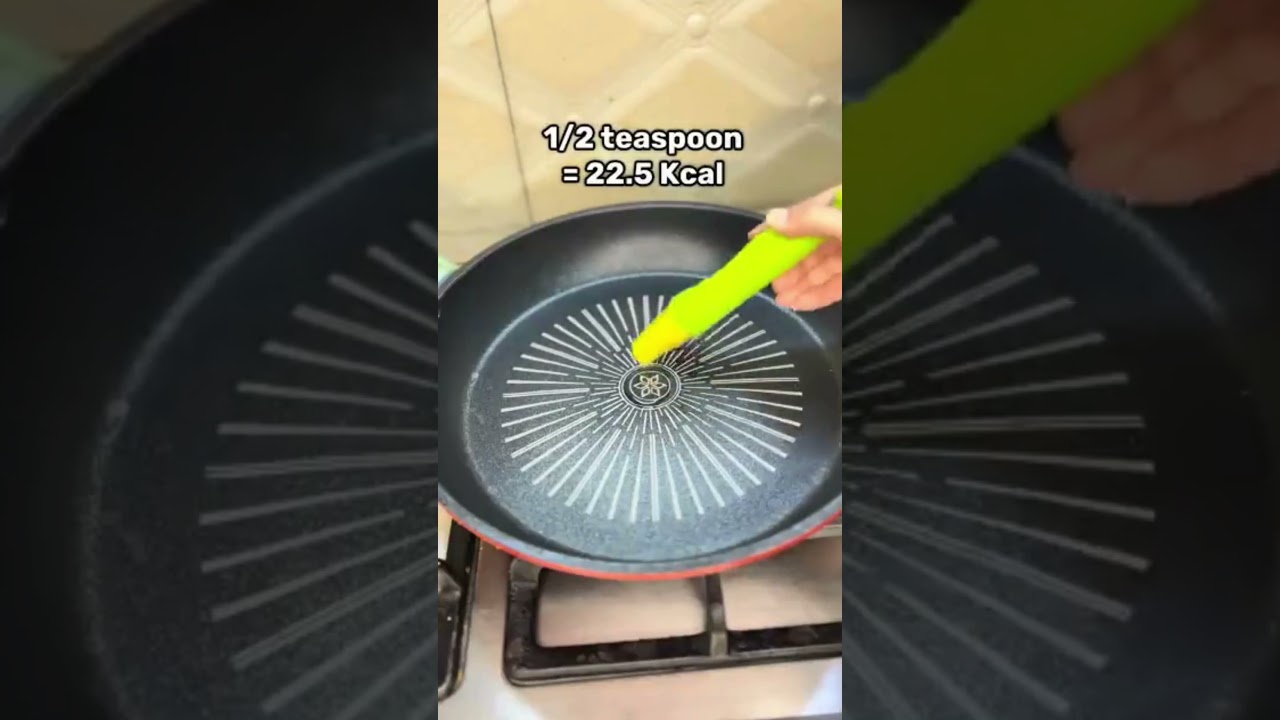
Using less cooking oil can contribute to weight loss, as oils are calorie-dense, and reducing their intake can help lower your overall calorie consumption. Here’s how using less cooking oil can aid in weight loss and some tips for managing oil intake:
How Less Cooking Oil Helps with Weight Loss:
High Caloric Content:
Fact: Oils are high in calories, with about 120 calories per tablespoon, regardless of the type. Consuming even a small excess can quickly add up to your daily calorie intake.
Impact: Reducing the amount of oil you use in cooking can create a calorie deficit, which is essential for weight loss.
Hidden Calories:
Fact: Oils are often added to foods without much thought, whether in cooking, dressings, or sauces. These hidden calories can accumulate and impact your weight loss efforts.
Impact: Being mindful of oil usage helps control calorie intake without significantly affecting portion sizes.
Healthier Cooking Methods:
Alternatives: Opting for cooking methods that require little to no oil, such as steaming, baking, grilling, roasting, or air frying, can reduce calorie consumption while still producing flavorful meals.
Impact: These methods help retain the natural flavors of food without the extra calories from oil.
Better Fat Management:
Fact: While oils contain healthy fats, like unsaturated fats from olive or avocado oil, consuming them in large amounts can still lead to excess calorie intake.
Impact: Moderating oil usage ensures you get the benefits of healthy fats without compromising weight loss goals.
Tips for Reducing Cooking Oil:
Measure Your Oil:
Tip: Instead of pouring oil directly from the bottle, use measuring spoons to control the amount. Aim for 1-2 teaspoons rather than free-pouring.
Use Non-Stick Cookware:
Tip: Non-stick pans, silicone baking mats, and parchment paper reduce the need for oil in cooking and baking.
Use Cooking Sprays:
Tip: Lightly coat your cookware with cooking spray rather than pouring oil. This can significantly reduce the amount used.
Add Flavor Without Oil:
Tip: Enhance the flavour of your dishes with herbs, spices, vinegar, citrus juices, or broth instead of relying on oil.
Incorporate Oil Alternatives:
Tip: For sautéing, use water or broth as an alternative to oil. These options can provide moisture and flavour without the extra calories.
Be Mindful of Dressings and Sauces:
Tip: Salad dressings and sauces often contain a lot of oil. Opt for vinaigrettes with less oil or yoghurt-based dressings, or make your own with minimal oil.
Read Labels:
Tip: Be aware of hidden oils in processed foods and opt for low-fat or no-oil-added options when possible.
Conclusion:
Reducing the amount of cooking oil you use is a simple and effective way to cut calories, which can contribute to weight loss. By being mindful of oil use and exploring healthier cooking methods, you can enjoy flavorful meals while supporting your weight management goals.