
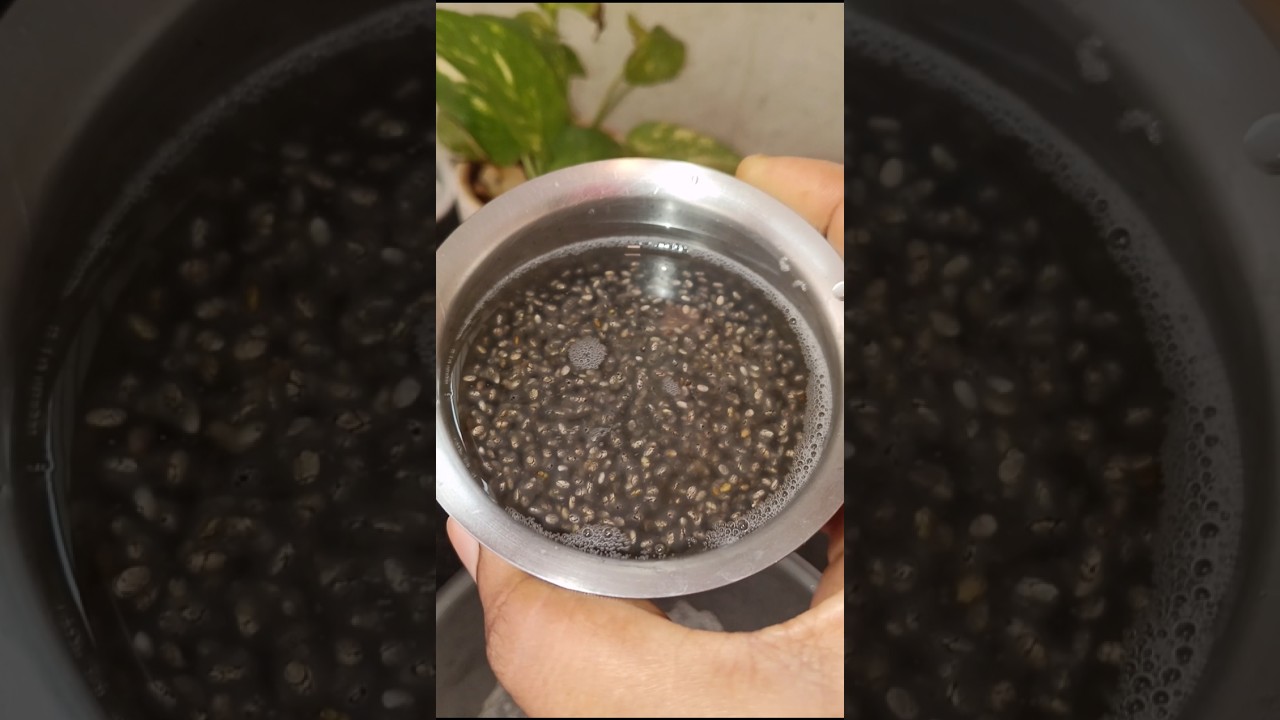
Chia seed benefits
Chia seed water, known for their weight management properties, are emerging as a significant aid in reducing belly fat through their rich nutritional profile of vitamins, minerals, and antioxidants. These tiny seeds contain high amounts of fiber, protein, and omega-3 fatty acids that work together to support weight loss when combined with a balanced diet and regular exercise. Let’s find out if they can really reduce belly fat.
The seeds’ high fiber content, approximately 10 grams per two tablespoons, plays a crucial role in weight management. This fiber content includes both soluble and insoluble varieties, which help create feelings of fullness and aid digestion, preventing overeating that can lead to obesity.
High protein
Chia seed water contain significant amounts of protein per serving, which helps maintain healthy muscles and promotes satiety. They are also one of the richest plant-based sources of omega-3s, providing anti-inflammatory properties that help combat obesity-related inflammation.
High nutrition
The seeds’ nutritional profile includes calcium, magnesium, and iron, supporting bone health and metabolic function. These nutrients contribute to maintaining a healthy weight balance.
Keeps you full
The soluble fiber in chia seed water forms a gel-like substance in the stomach by absorbing water, which slows digestion and helps reduce unnecessary snacking. This property makes them particularly effective for controlling appetite and managing caloric intake.
Regulate sugar
Chia seeds help regulate blood glucose levels by preventing insulin spikes in the body. Lower insulin levels signal the body to use stored fat as fuel, contributing to fat loss.
Anti-inflammatory
The omega-3 fatty acids and antioxidants in C seeds help reduce inflammatory processes that can lead to abdominal fat storage. These compounds also support heart health, enabling an active lifestyle necessary for effective weight loss.
Improve digestion
The seeds’ fiber content promotes regular bowel movements and reduces bloating, supporting digestive health. This improved digestion helps the body process and eliminate waste more efficiently, potentially reducing abdominal bloating.
Balanced energy
The balanced composition of carbohydrates, and proteins in chia seeds provides steady energy, supporting endurance during physical activities that help prevent belly fat accumulation.
Several methods exist for incorporating chia seeds into daily diet. They can be blended into smoothies, added to yogurt and oatmeal, or used to make chia pudding by soaking them overnight in water or milk. However, easiest one is to make chia seed water, made by mixing one tablespoon of seeds in water and letting it sit for 15-20 minutes This can be consumed before meals to enhance satiety.
A tablespoon (approximately 12 grams) of chia seeds contains the following nutritional values:
• Calories: 58
• Protein: 2 grams
• Fat: 3.8 grams
• Saturated fat: 0.4 grams
• Carbohydrates: 5 grams
Fiber: 4 grams
• Sugar: 0 grams
Omega-3 fatty acids: 2,457 milligrams
Omega-6 fatty acids: 773 milligrams
• Calcium: 76 milligrams (8% of the Daily Value)
• Iron: 1 milligram (5% of the Daily Value)
Magnesium: 40 milligrams (10% of the Daily Value)
Phosphorus: 95 milligrams (8% of the Daily Value)
• Potassium: 44 milligrams (1% of the Daily Value)
These values may slightly vary depending on the specific brand or source of chia seeds, but they provide a general idea of the nutrient profile.
While chia seeds offer numerous health benefits, there can be some potential problems or side effects associated with their consumption:
1. Digestive Issues: Due to their high fiber content, consuming large amounts of chia seeds can cause digestive issues such as bloating, gas, and constipation, especially if not consumed with enough water.
2. Choking Hazard: When chia seeds are consumed dry, they can absorb water and expand, which may cause a choking hazard. It’s important to mix them with liquid and allow them to expand before eating.
3. Allergic Reactions: Although rare, some individuals may have an allergic reaction to chia seeds, which can cause symptoms like rashes, itching, or difficulty breathing.
4. Blood Thinning: Chia seeds contain omega-3 fatty acids, which have blood-thinning properties. People taking blood thinners or those with bleeding disorders should consult their doctor before consuming chia seeds regularly.
5. Interaction with Medications: Chia seeds may interact with certain medications, such as blood pressure or blood sugar medications, potentially leading to adverse effects.
6. Caloric Density: While nutritious, chia seeds are calorie-dense. Overconsumption can lead an excessive calorie intake which may bloating.
#trendings #subscribe #shorts #foodie #lunchmenu
#diml #home #subscribe #minivlog #trending
#shorts #youtube #day #vlog #tamil
#recipes #lunchboxrecipe #tamilshorts
#youtubeshorts #lunchboxintamil #video #viral