
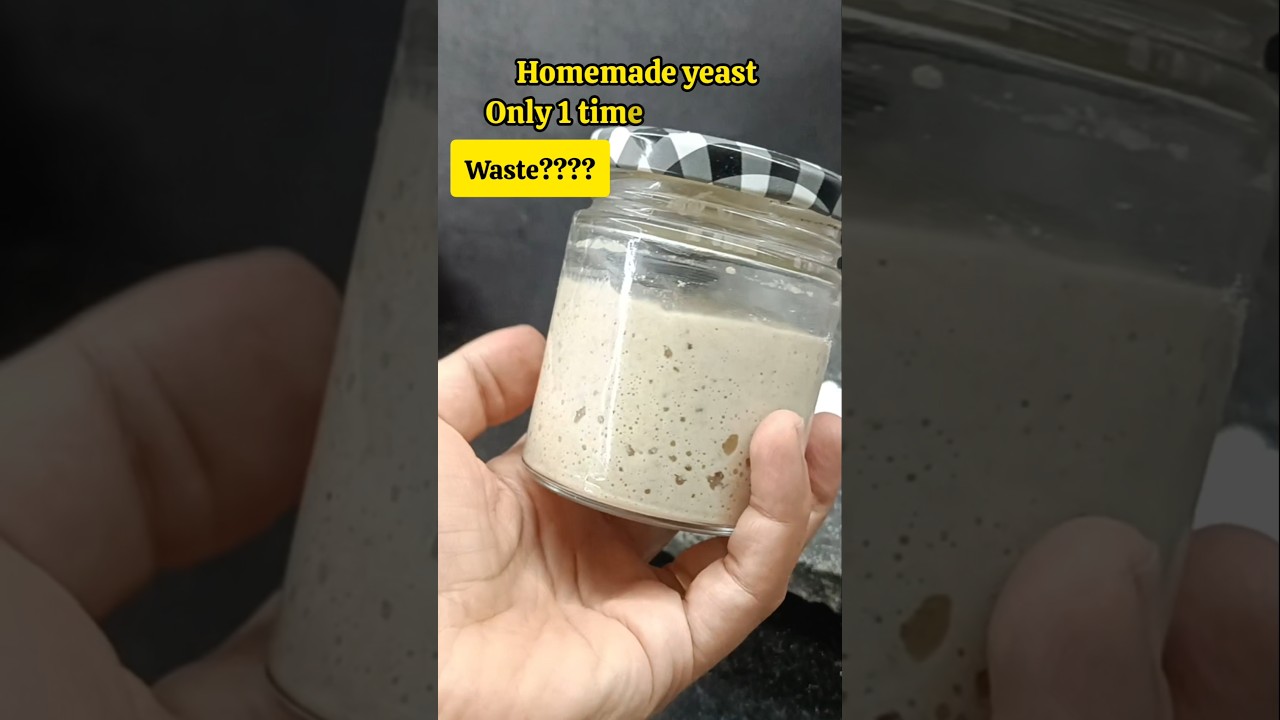
yeast making Episode 11: Homemade yeast waste or worth? #shortsfeed
Maintaining Your Homemade Yeast Starter: A Lifetime Companion for Baking
Homemade yeast, often referred to as a “starter” or “culture,” is not a single-use ingredient. With proper care and consistent feeding, it can become a living component of your kitchen, lasting a lifetime. The key to its continued vitality lies in understanding its needs for sustenance and appropriate storage.
How to Maintain Your Yeast Starter:
Once your homemade yeast starter is active and ready for baking, you can use it, but always ensure you leave a small portion behind. Even just the yeast clinging to the sides of the jar is often enough to continue the culture. This practice is crucial for preventing your starter from becoming overly sour.
Replenish: To feed the remaining starter, add approximately 2-2.5 tablespoons of water to the jar. Swirl or shake gently to loosen any residual yeast from the sides.
Add “Food”: Next, add 1/4 cup of whole wheat flour (atta) to the water. Mix thoroughly until there are no dry spots of flour visible and the mixture is smooth.
Cleanliness: Take a tissue or clean cloth and wipe down the inside edges of the jar. This simple step helps prevent mold formation on dried bits of starter.
Cover: Cover the jar loosely (allowing for some air exchange while keeping contaminants out).
Storage Considerations:
Room Temperature (for immediate use): If you plan to bake again on the same day or within a few hours, keep your fed starter at room temperature. The warmth will encourage rapid fermentation, making it active more quickly.
Refrigerator (for slower fermentation): For less frequent baking, immediately transfer your fed starter to the refrigerator. The cold temperature significantly slows down the fermentation process, reducing the frequency of feeding required. While fermentation still occurs in the fridge, it’s at a much slower pace compared to warmer room temperatures.
By following these simple steps, you ensure your homemade yeast remains vibrant and ready to bring your bread to life, time and time again.
How long can homemade yeast be stored in the freezer?
Can I freeze my homemade yeast starter?
How do you revive frozen homemade yeast for baking?
How long does it take for frozen yeast to become active after thawing?
What is the process for thawing homemade yeast starter?
Do I need to feed frozen homemade yeast after thawing?
How can you tell if thawed homemade yeast is still active before using it in bread?
Will freezing kill my homemade yeast starter?
What temperature should thawed yeast reach before mixing into dough?
Why do I need to warm up cold yeast before baking?