
Subscribe:
For more videos
Channel :
“For Healthy life ” is everything you ever wanted to know about , healty, benefits, exercise, diet, weight loss, skin care, beauty routine, makeup and more!
For business related matters relating to our channel (including media & advertising) please contact:
askforhealthylife@gmail.com
For copyright matters relating to our channel please contact us directly at :
askforhealthylife@gmail.com
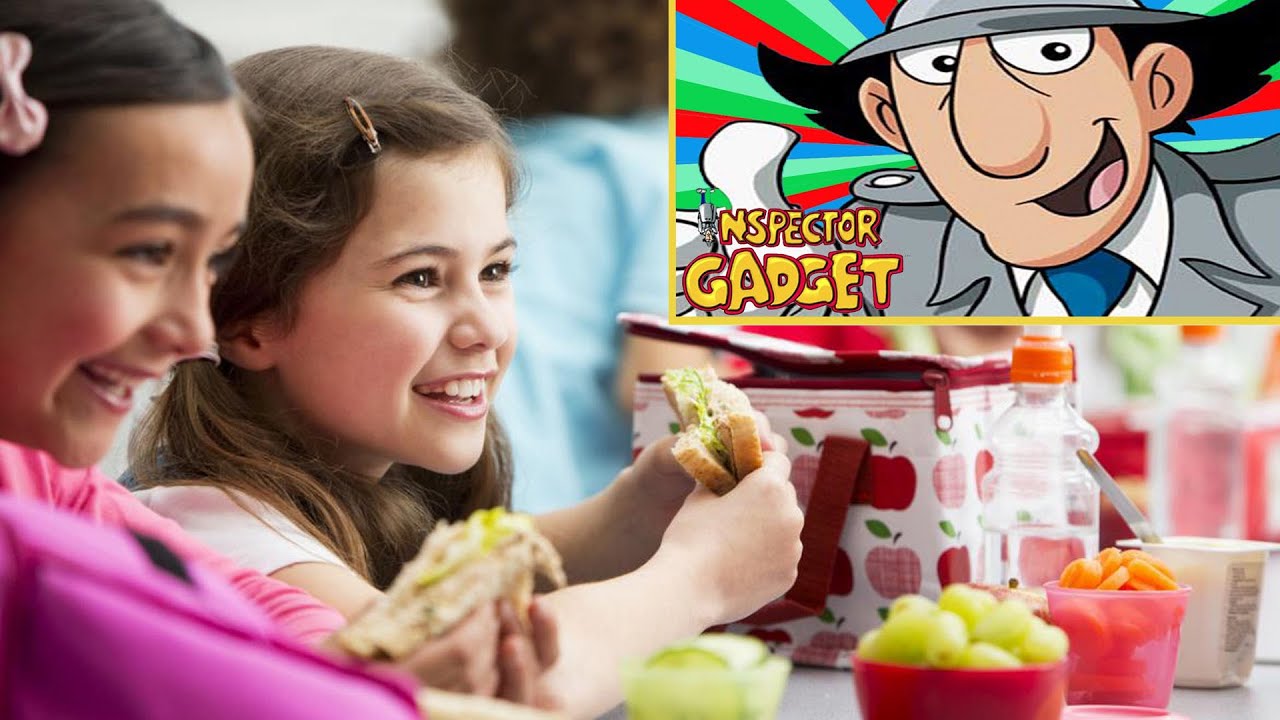
5 Healthy Food Gadget Hacks and Snack ideas for Kids and Teens with Cf ! For Healthy Life
Trying Kitchen Gadget & food Life Hacks to see if they work! Today we’re trying out some more DIY lifehacks! Leave a Like if you enjoyed!
For Healthy Life ! Your child needs a lot of energy to breathe, fight off infections,
and lead the healthiest life possible with cystic fibrosis (CF).
Take a moment to learn more about your child’s unique dietary needs.
These smart snack ideas that can help you make sure they’re eating a well-balanced, nutritious diet.
Get the facts on your child’s nutritional needs !
Your child also needs high-quality protein and a wide variety of fruits,
vegetables, and whole-grain products to thrive.
To help them meet their nutritional needs,
encourage your child to eat healthy high-calorie snacks throughout the day,
as well as multiple meals.
Prepackaged snacks.
When your child is on the go, they need snacks that they can grab and carry.
Consider stocking your shelves with prepackaged high-calorie snacks, such as packets of:
sunflower seeds.
roasted peanuts.
mixed nuts.
trail mix.
protein bars.
cheese or peanut butter sandwich crackers.
Smoothies 🙂
There are many ingredients that you can add to smoothies to increase the calorie and fat count in healthy ways.
Start with a base of whole milk or nut milk. Add a variety of fruits and vegetables for color,
flavor, and nutrients.
Then considering adding one or more of the following ingredients:
full-fat yogurt.
nuts or nut butter.
chia seeds.
hemp seeds.
protein powder.
fat powder.
avocado.
Your child can enjoy smoothies alongside meals or as a stand-alone snack.
For convenience, consider blending up a big batch of smoothie to store in a pitcher in your fridge.
That will make it easy for your kid to guzzle glassfuls throughout the day.
High-calorie dips.
Many dips are rich sources of calories, fat, and other nutrients.
If your child is a fan of finger food,
consider serving them whole-grain tortilla chips, crackers,
or pita with one or more of the following high-calorie dips:
queso dip.
guacamole.
ranch dressing.
roasted red pepper dip.
cheese and artichoke dip.
hummus drizzled in olive oil.
tapenade.
pesto.
You can also serve dips with vegetable sticks.
While vegetables are lower in calories than tortilla chips and other grain-based options,
they provide vitamins and minerals that your child needs.
Toast and sandwiches !
When your little one is looking for something substantial to sink their teeth into,
toast and sandwiches are easy options.
For example, they can reach for:
toast with butter, nut butter, or other calorie-rich spreads.
toast with sliced avocado, ground pepper, and a drizzle of hot sauce.
a bagel with smoked salmon and cream cheese.
a peanut butter and jam sandwich.
a sandwich with cheese and deli meat.
a sandwich with egg, chicken, or tuna salad.
a grilled-cheese sandwich.
For more nutritious toast and sandwiches,
use whole-grain bread products rather than refined white bread,
buns, or bagels.
Wraps, burritos, quesadillas, and stuffed pitas also make filling snacks.
Nutritional supplements.
While they shouldn’t be used to replace meals,
high-calorie nutritional supplements can make a smart snack for your child.
You can also serve them as part of a larger meal.
Many types of nutritional supplements are available,
prepackaged shakes (such as Ensure).
flavored powers and protein powders that you can mix into beverages.
high-calorie juices that contain protein.
Your child’s dietitian can help you decide which nutritional supplements are best for them.
Sometimes, even with a great nutrition plan, it can be a challenge for a person with CF to eat enough to meet their dietary needs.
If you suspect that your child is underweight or losing weight,
make an appointment with their care team.
In some cases, they might recommend tube feeding to supplement your child’s snacks and meals.
However, there may be other options to try.
Your child’s doctor may prescribe or adjust dosing of pancreatic enzyme supplements or recommend other changes to a treatment plan.
Your child’s dietitian may also have ideas about helpful dietary supplements.
Kids with CF have unique nutritional needs and benefit from a high-calorie, healthy diet.
There are lots of food and snack options that can make dietary planning easier.
Stocking up on simple snacks and ingredients that are rich in fats can help ensure your child is getting the nutrients they need.