
#healthclinic #health #food #cooking
Hello, and welcome to Health Clinic’s channel, where we believe that health is indeed wealth. Today, we’re going to talk about something that is important for anyone who wants to achieve optimal health, and that is low calorie nutrient dense foods.
Have you ever heard of the saying “you are what you eat”? It’s a simple phrase, but it carries a lot of truth. The food we consume has a direct impact on our overall health and wellbeing. That’s why it’s crucial to pay attention to what we put in our bodies.
Now, let’s talk about low calorie nutrient dense foods. When we say “nutrient dense,” we’re referring to foods that are high in nutrients and low in calories. These foods provide us with all the essential vitamins, minerals, and nutrients our bodies need, without the added calories.
Why is this important? Well, for starters, if we consume foods that are high in calories and low in nutrients, we’ll end up overeating and gaining weight. On the other hand, if we eat low calorie nutrient dense foods, we’ll feel full, satisfied, and energized, without packing on the pounds.
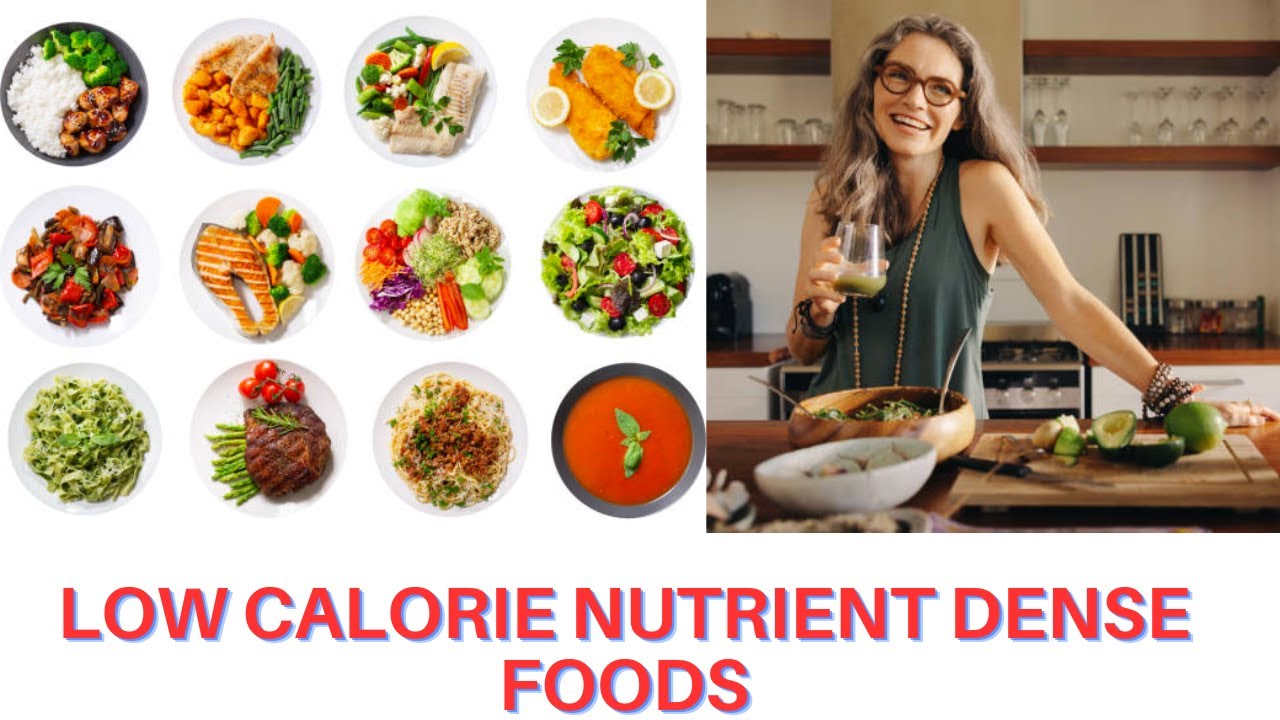
So, what are some examples of low calorie nutrient dense foods? Well, we have fruits and vegetables, lean proteins such as chicken and fish, whole grains like quinoa and brown rice, and healthy fats like avocado and nuts. These are just a few examples, but there are plenty of other options out there.
Now, you might be thinking, “Okay, but what about taste? Do these foods actually taste good?” The answer is yes! Eating healthy doesn’t mean sacrificing taste. In fact, many of these foods are incredibly delicious and can be prepared in a variety of ways.
But we understand that making changes to your diet can be daunting, which is why we’re here to offer some practical advice and tips to help you incorporate low calorie nutrient dense foods into your meals.
Firstly, start by making small changes. You don’t have to completely overhaul your diet overnight. Begin by adding one or two servings of fruits and vegetables to your meals each day, and gradually increase from there.
Secondly, experiment with different recipes and cooking methods. You might be surprised at how delicious and satisfying healthy foods can be.
Thirdly, plan your meals in advance. This will not only help you stay on track, but it will also save you time and money.
Lastly, don’t forget to stay hydrated. Drinking plenty of water throughout the day will help you feel full and satisfied, and it will also help your body function at its best.
In conclusion, low calorie nutrient dense foods are an essential component of a healthy diet. By incorporating these foods into your meals, you’ll be providing your body with the nutrients it needs to function at its best, without the added calories. Remember to start small, experiment with different recipes, plan your meals in advance, and stay hydrated.
Thank you for tuning in to Health Clinic’s channel. Remember, health is wealth, and we’re here to help you achieve optimal health.
TikTok:
Disclaimer:
This video is for general informational purposes only. It should not be used to self-diagnose and it is not a substitute for a medical exam, cure, treatment, diagnosis, and prescription or recommendation. It does not create a doctor-patient relationship. You should not make any change in your health regimen or diet before first consulting a physician and obtaining a medical exam, diagnosis, and recommendation. Always seek the advice of a physician or other qualified health provider with any questions you may have regarding a medical condition.