
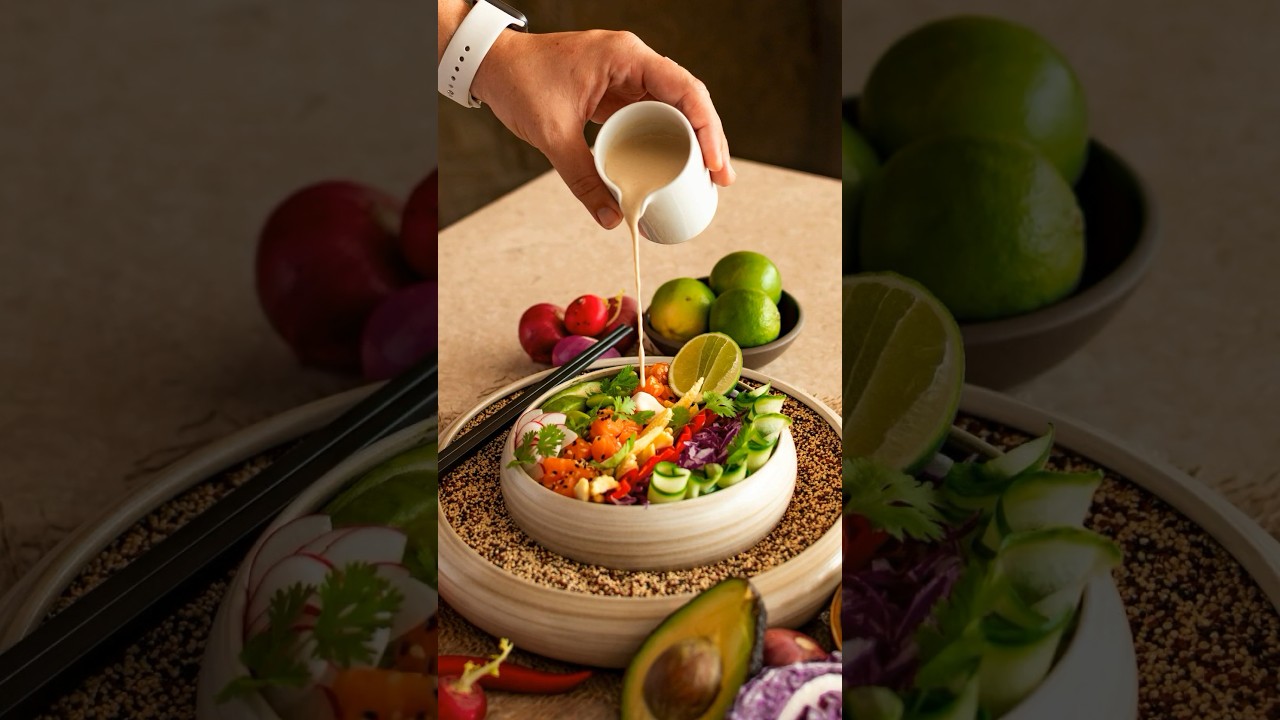
🥗 Decoding the Nutritional Profile of Caesar Salad Dressing 🥗
In today’s segment, we’re stirring things up by focusing on Caesar salad dressing, a beloved complement that turns a simple salad into an iconic dish. Let’s whisk through the nutritional components and health aspects of this classic dressing. Are you ready? Let’s pour it on!
🟢 Nutritional Benefits of Caesar Salad Dressing:
While Caesar salad dressing is known for its creamy texture and tangy flavor, it’s important to recognize its nutritional context. Here’s what you need to know:
Contains Healthy Fats: Made with olive oil or other oils, it provides monounsaturated fats known for supporting heart health.
Vitamin E Source: Depending on the ingredients, it can be a source of Vitamin E, an antioxidant that helps protect your cells from damage.
Flavorful yet Caloric: It’s a high-flavor dressing that comes with a higher calorie count, so moderation is key.
Dietary Accommodation: Many variations, including low-fat and vegan options, accommodate different dietary needs.
🟢 Caesar Salad Dressing Nutritional Facts (Per 2 Tbsp, approximately 30g):
Calories: Roughly 80-180 calories (varies significantly based on the recipe)
Fat: About 8-20g (predominantly from oils used in the base)
Protein: Generally minimal, around 1g
Carbohydrates: Around 2-3g (mostly from the sugar content if any)
Vitamin E: Varied amounts based on oil type and other ingredients
🟢 Health Insights on Caesar Salad Dressing:
Heart Health: The healthy fats in olive oil-based dressings can support heart health, but the high fat content calls for mindful consumption.
Antioxidant Properties: Ingredients like garlic and lemon juice contribute antioxidants, offering cellular protection.
Dietary Caution: Given its calorie profile and potential high sodium and fat, it’s wise to use this dressing sparingly, especially in weight management efforts.
Allergen Advice: Traditional recipes include anchovies and egg yolks, important to note for those with specific allergies or dietary restrictions.
🟢 Incorporating Caesar Dressing in Keto Dishes:
While Caesar salad dressing is a staple for salads, its use in keto-friendly recipes adds creaminess and flavor. Here are seven ways to enjoy it:
Classic Caesar Salad: Keep it traditional with a bed of romaine lettuce, parmesan, and grilled chicken, dressed in your keto Caesar dressing.
Caesar Veggie Dip: Use the dressing as a dipping sauce for your favorite low-carb vegetables.
Keto Caesar Chicken Wraps: Fill lettuce wraps with chicken, parmesan, and Caesar dressing for a quick meal.
Caesar Egg Salad: Give your egg salad a twist by adding Caesar dressing into the mix.
Grilled Caesar Asparagus: Drizzle grilled asparagus with a Caesar dressing for a side dish with a kick.
Caesar Avocado Boats: Fill halved avocados with a blend of Caesar dressing and diced veggies or proteins.
Creamy Caesar Casserole: Create a creamy, cheesy casserole using Caesar dressing as the base flavor component.
🟢 Conclusion:
Caesar salad dressing, with its creamy allure, enhances the flavor profile of various dishes. While it offers certain nutritional benefits, such as healthy fats, it’s also high in calories and certain macro components, emphasizing the need for moderation. Whether you’re dressing a salad or dipping veggies, Caesar salad dressing brings a rich, savory quality to your meals.
We invite you to continue exploring the world of nutrition with us. Don’t forget to like, subscribe, and share our content with fellow health and food enthusiasts. Here’s to enjoying the creamy goodness of Caesar salad dressing, responsibly! 🥗✨