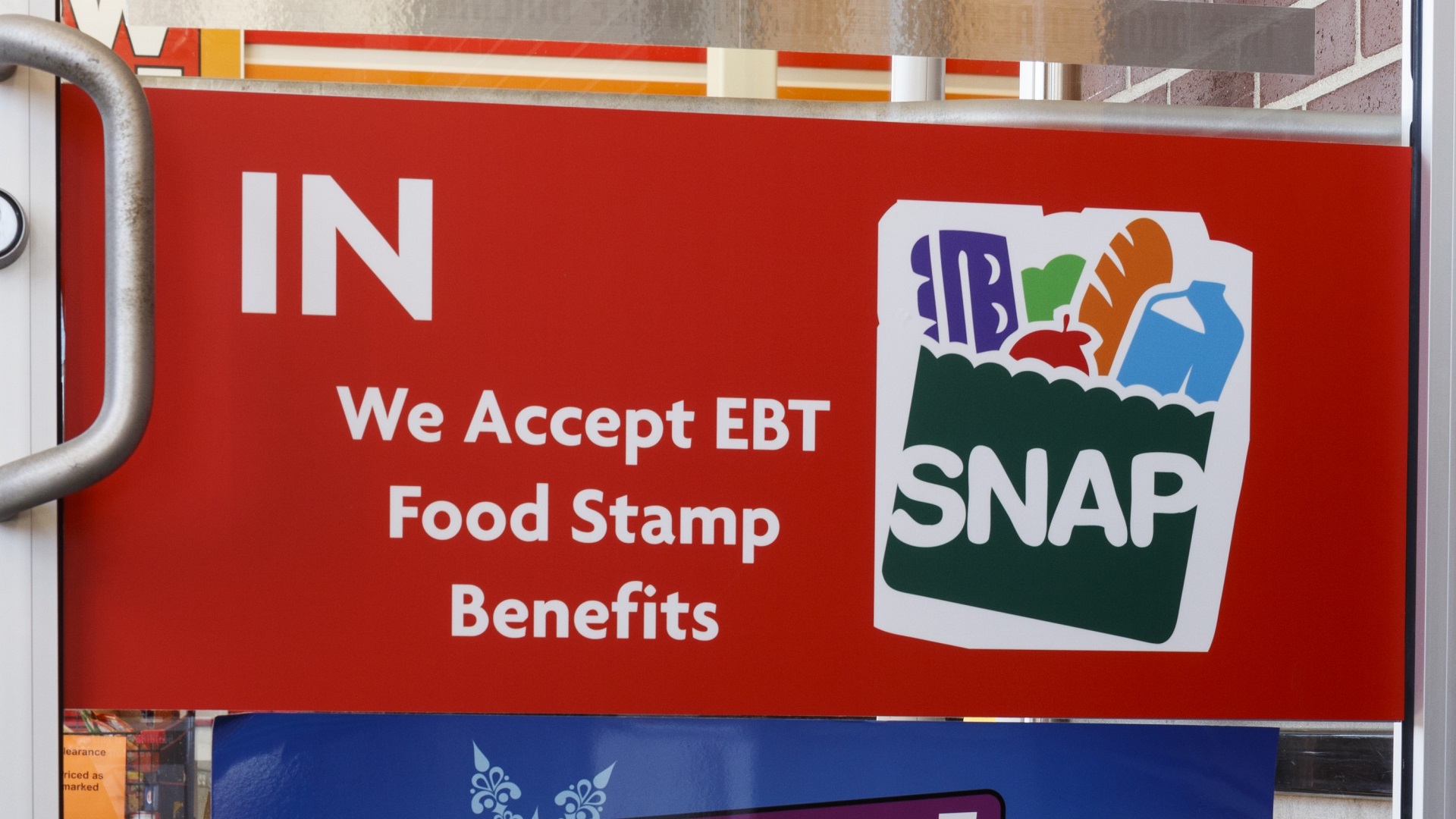
Federal food assistance (SNAP) benefits went up in October, but don’t expect the increase to transform your grocery budget.
A single person may get about $8 more a month, while a family of four could see roughly $29 more. At the same time, new eligibility rules and work requirements could make it harder for some households to keep their benefits.
Read More: ‘Everything Is Going Up’: What 3 Everyday Americans Say It’s Really Like Living in This Economy
For You: 8 Low-Effort Ways To Make Passive Income (You Can Start This Week)
Here’s what changed, who could be affected and what it may mean for your monthly budget.
Here’s What Changed
SNAP benefits increased Oct. 1 as part of the program’s annual cost-of-living adjustment.
For most of the country, the maximum monthly benefit for one person is now $306, up from $298 last year. For a family of four, the maximum is $1,023, up from $994.
But the increase comes as other SNAP rules are getting tougher under the One Big Beautiful Bill Act.
Here’s How It Could Affect You
The new law expanded SNAP work requirements. According to Propel, a benefits technology company, the rules can now apply to adults through age 64 and to some parents whose youngest child is 14 or older. Some previous exemptions, including those for veterans and people experiencing homelessness, were also removed.
The changes are already showing up in SNAP participation.
Lauren Schuyler, assistant research director of the Family Welfare Research Training Group at the University of Maryland School of Social Work, said more than 5 million people have lost SNAP benefits since the law passed.
She said that while the entire decline can’t be attributed to the law, participation fell faster afterward and children account for roughly half the decline in states with available data.
“Increased poverty is a real concern with these changes, given that SNAP keeps millions out of poverty and is one of the most effective anti-poverty tools we have,” Schuyler said.
Check Your Eligibility
People who still qualify for SNAP can lose benefits if they miss new requirements.
Courtney Bragg, CEO and co-founder of Fabric Health, said the changes are already affecting working families, immigrants, people experiencing homelessness and some people with disabilities.
“We have seen families lose SNAP because of changing policies,” Bragg said. “But even more lose SNAP because the changes are confusing and hard to navigate.”
That makes state SNAP notices especially important. USDA says people subject to work requirements can lose benefits if they don’t comply, while some recipients may qualify for exemptions.
How Far Increases Go
Even households that keep their benefits may not feel much relief from October’s increase. Food at home cost 2.2% more in August than last year, according to the latest Consumer Price Index.
“Changes to SNAP are adding another layer of uncertainty for families already struggling to make ends meet,” said Bobby Ghisolfo, president and CEO of Lutheran Social Services of the Southwest.
The organization also reported a roughly 15% increase in food assistance requests. Last year, it distributed nearly 10,000 food boxes to more than 2,000 families.
States Are Under Pressure, Too
The changes don’t stop with individual households.
Beginning in fiscal year 2027, the federal government’s share of SNAP administrative costs drops from 50% to 25%, leaving states responsible for 75%.
“States may not be able to absorb the costs of benefits, notably in times of elevated need,” Schuyler said. “During every major recession in the last 60 years, the SNAP caseload has grown substantially.”
Schuyler added that states could respond to financial pressure by tightening some eligibility policies. That means October’s higher benefit is only one part of the picture for recipients.
Keeping up with eligibility rules and notices from your state may matter just as much as the amount loaded onto your EBT card each month.
This article was provided by MoneyLion.com for informational purposes only and should not be construed as financial, legal or tax advice.


