


Listen to this article
Estimated 3 minutes
The audio version of this article is generated by AI-based technology. Mispronunciations can occur. We are working with our partners to continually review and improve the results.
If you know someone who could use a helping hand getting fed, organizing a meal train is one of the best gifts you could give. A meal train is a way for friends, family and neighbours to coordinate deliveries of food for people experiencing a major life change. The recipients might be expecting or welcoming a baby, laid up with an injury or recovering from surgery, grieving or dealing with another significant event.
When my baby was born, we didn’t cook for an entire month, freeing up our time to focus on our newborn and rest. We felt so cared for by our community. Now, setting up a meal train is the first thing I offer to do when I find out a friend is expecting.
One of the easiest ways to organize this service is through one of the interactive platforms available online, such as Meal Train, Give InKind or Take Them a Meal. You can also organize an email or text-message chain or create a shared online spreadsheet, and of course analog options, such as sign-up sheets or phone trees, can still work well.
To get started on managing a meal train, ask the recipient about their food preferences and any dietary restrictions, then collect the contact information of their friends and family members, including those who live far away and might want to contribute a food delivery gift card. Participants can access all the information via the website or community organizer and sign up to provide a meal on a specific day.
When deciding what to cook, focus on nourishing, cosy meals that can easily be reheated or eaten straight from the fridge. Soups, stews, curries, casseroles and hearty salads are all good choices. Don’t forget to include heating instructions, if needed, as well as a date to eat or freeze the meal by. And be sure to follow Health Canada’s food storage guidelines so the food is safe to eat when it arrives.
Snacks like chia pudding or pre-cut vegetables and hummus are less common offerings, but are usually very welcome, as are desserts for those with a sweet tooth. It’s also helpful to package your meal in vessels that you don’t need returned, such as repurposed takeout boxes, so recipients don’t have to keep track of all those reusable containers.
The recipes below are great choices for supporting someone through a time when they could use a little help from their community.
Snacks

(Yakuta Yamani)

(CBC Life)
Soups

(Photography by Ellen Silverman)

(Photography by Leila Ashtari)

(Amina Al-Saigh)

(Photography by Amina Al-Saigh)

(Photography by Carmen Cheung)

(Photography by Cathryn Sprague)
Salads
Brown rice, chicken and butternut squash salad with roasted garlic tahini dressing

(Photography by Gabriel Cabrera)
Mustard seed roasted vegetable, barley, and bean salad

(Photography by Allison Day)
Roasted cauliflower with dates and herby farro

(Photography by Dhivya Subramanian)
Sweet potato and lentil salad in a lime vinaigrette

(Photo: Shayma Owaise Saadat)
Mains

(Photography by: David Bagosy, Styling: Melissa Direnzo)

(Photography by Dwight Smith)

(CBC Life)
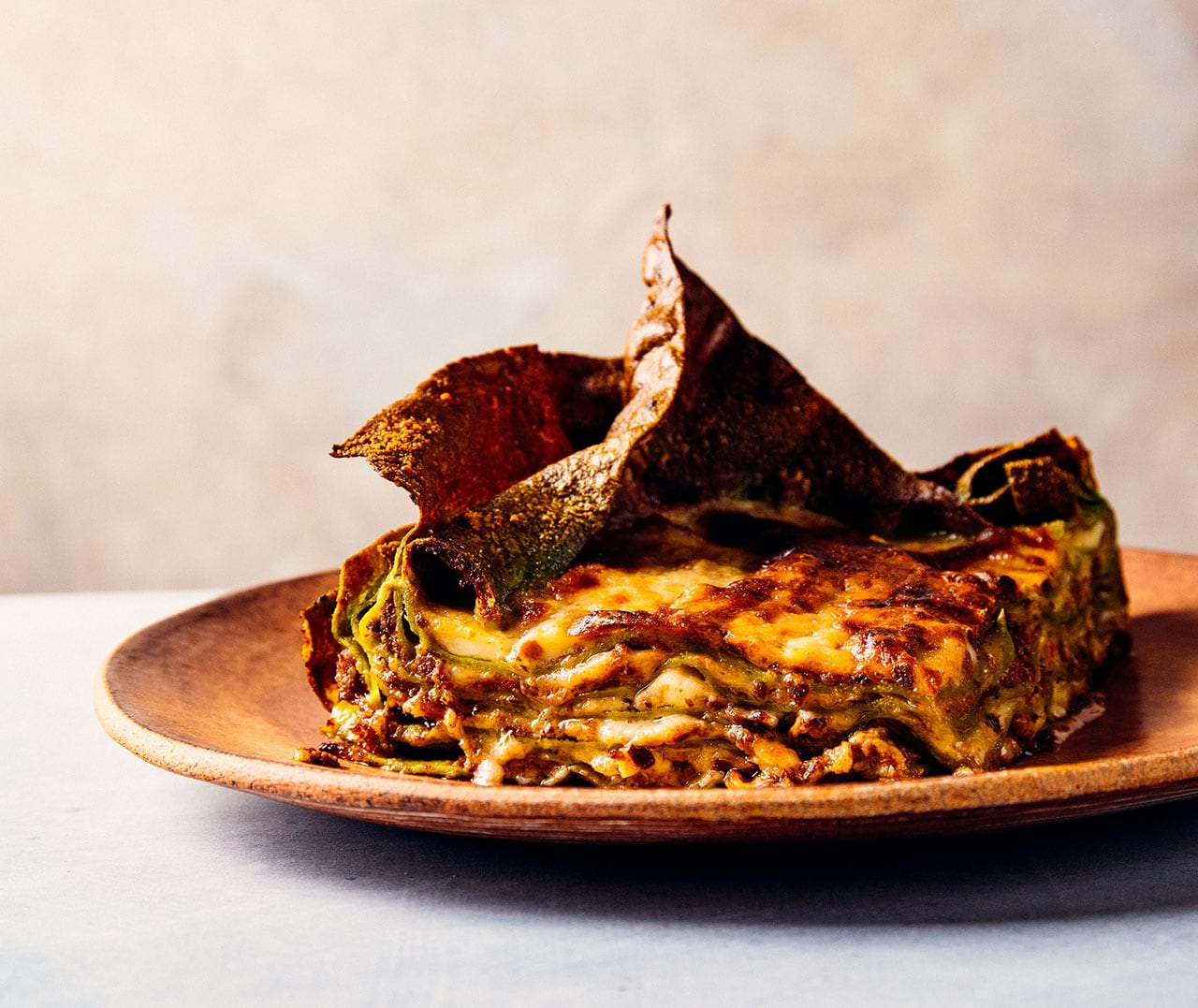
(Photography by Eric Wolfinger)

(Photography by Amina Al-Saigh)

(CBC Life)

(Photography by Dhivya Subramanian)
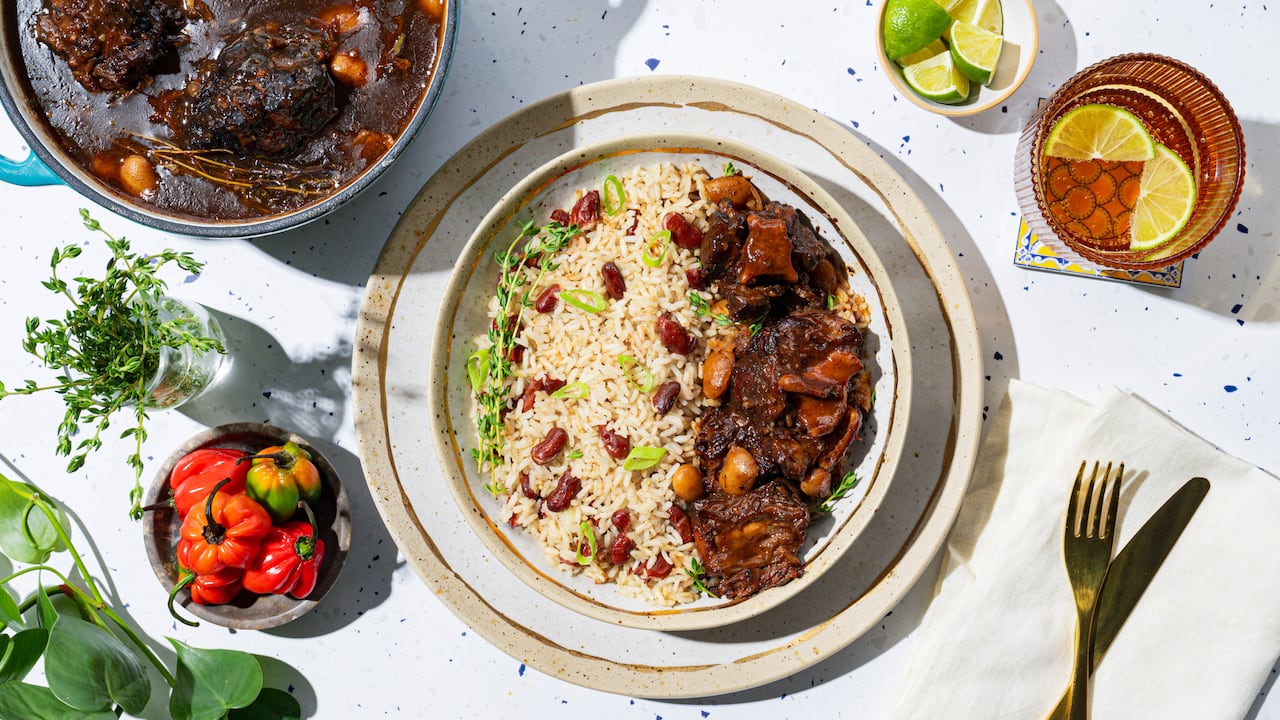
(Photography by Owais Rafique Marketing Inc.; styling by Matthew Chin)
Rapini and sausage baked pasta

(CBC Life)
 Sweet treats
Dark chocolate and molasses cookies

(Photography by Suech and Beck)
Salted tahini chocolate swirl brownies

(Photo: David Bagosy, Styling: Melissa Direnzo)


