
Listen to this article
Estimated 4 minutes
The audio version of this article is generated by AI-based technology. Mispronunciations can occur. We are working with our partners to continually review and improve the results.
When you do a Google search for “chocolate chip cookie recipes,” the search engine lists approximately 186,000,000 results.
Even if you didn’t have internet access, a quick trip to any bookstore or library would give you access to dozens of cookbooks with various takes on the classic chocolate chip cookie recipe.
But while humans have been practising the culinary arts for thousands of years, quick access to recipes is a relatively new phenomenon.
“In Canada, as a whole, recipe books didn’t start being printed until the 1830s,” said Edith Snook, historian and co-author of Early Modern Maritime Recipes: Circulating Knowledge in the Early Modern Atlantic World along with Lyn Bennett.
LISTEN | A look at Maritime recipes:
Information Morning – Fredericton10:55Maritime recipes
Edith Snook is an English professor at UNB and she has a book coming out soon about Maritime Recipes from the 18th century. She’s talking about it at the Fredericton Region Museum tonight.
“In New Brunswick, there were no recipes printed until the 1870s.”
That’s not to say people weren’t writing down some of their favorite recipes, and even sharing them, they were just going about it differently.
Snook has spent years searching for Maritime recipes and, in addition to her book, has been the director of the Early Modern Maritime Recipes Database, a collaboration between the University of New Brunswick and Dalhousie University.
While there was a dearth of published recipe books in the Maritimes, recipes were publicized in newspapers and almanacs as well as private diaries and correspondence.
“There’s a military order book that has recipes in it,” said Snook.
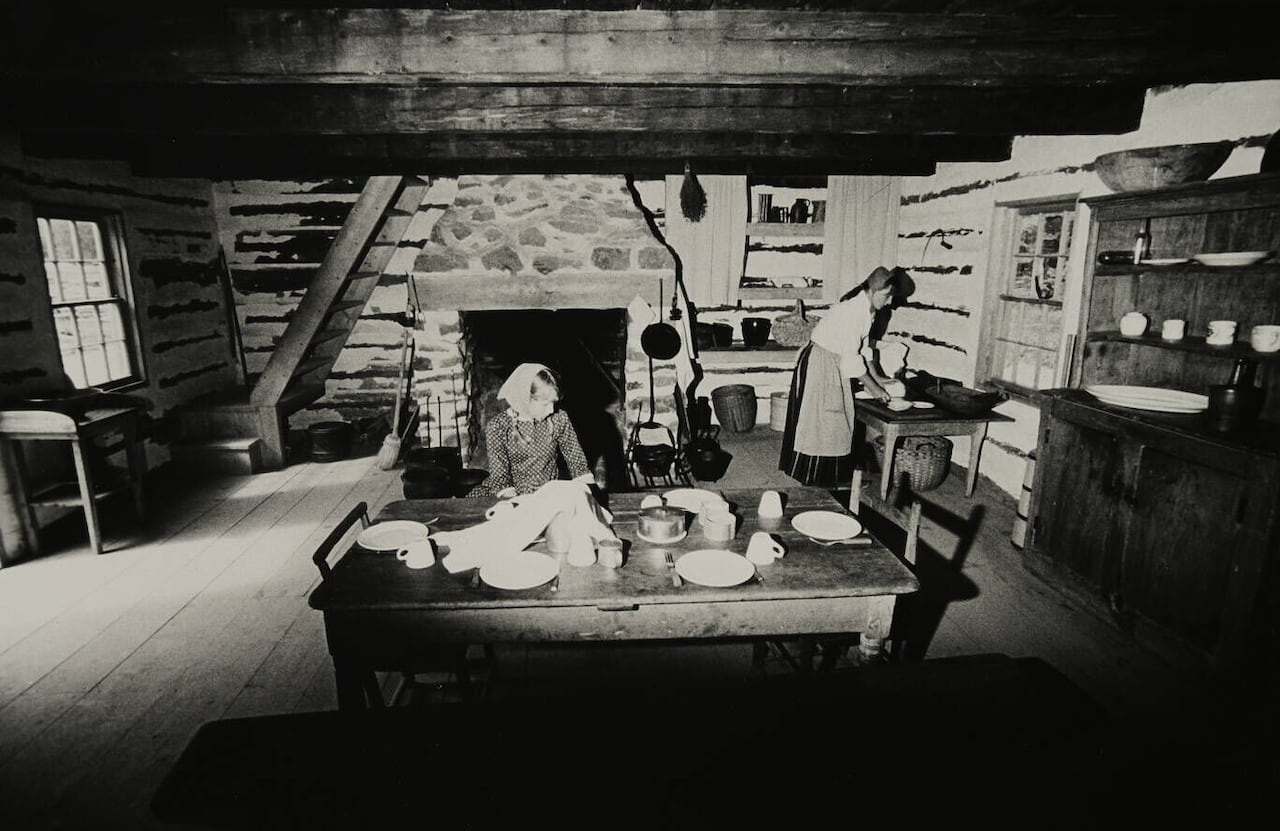
Costumed interpreters at the Acadian Village preparing food in a kitchen. (Provincial Archives of New Brunswick)
“Somebody was creating a commonplace book of poetry, put recipes in it … a man called Benjamin Marston … he put some recipes in his letters, so that’s how we found them.”
When we look at recipes in modern times, we tend to think of them as food recipes.
But Snook said recipes take in more than just the culinary world.
“We have drink recipes, we have medical recipes, agricultural recipes for things like fertilizer or techniques to make your corn grow better,” said Snook.

An undated photo of New Brunswick women preparing food. (Provincial Archives of New Brunswick/P316-8)
“[We have] household recipes of just things that you might need to use around your house, like shoe polish or pesticides or cleaning products or how to get wax out of a fabric.“
Here are three of the (arguably) tastier recipes found in the database.
They include measurements no longer common in cooking, and some archaic spellings.
Potato soup
Ingredients:
An ox cheekTwo pecks potatoesQuarter peck of onionsAn ounce of pepperThree-quarters of a pound of salt
First of all, a peck is a unit of measurement equal to about nine litres.
The recipe comes from a Rev. H. J. Close, who said the meal “is sufficient to satisfy a working man.”
The ingredients are boiled in 90 pints until it reduces down to 60 pints.
Plumb Cake
Ingredients:
Three pounds of flourone and a half pounds of butter, one and three-quarters pounds of sugar, one and three-quarters pounds of currants,Nine eggs, Half pint of wine, Quarter ounce of mace,Quarter ounce of cinnamon, Quarter ounce of cloves, Three-quarters of a pint of yeast, Half a gill of rosewater.
This recipe dates between 1780-1800 and asks the baker to mix the eggs, yeast and flour together and leave it to rise overnight.
Then mix the butter and sugar “to a froth.”
Then mix everything together, put it into a cake pan, and bake for three hours.
Spruce beer
Ingredients:
Two gallons of boiling waterEight gallons of cold waterOne gallon of spruce essenceTwo quarts of molassesOne pint of yeast
To make this beer, the recipe of which dates to 1769, mix the boiling water, spruce essence and molasses together “in a large tubb.”
Then mix it with the cold water and “put it into your cask, adding to it about a pint of yeast to make it foment.”
“You must be carefull it don’t foment too much, when you think it has undergone a sufficiant fomentation bung it up tight and bottle it off the next day.”