
Jeera Aloo Recipe –
Coconut Chutney –
Healthy Dosa Recipe | Dosa Recipe For Fasting | Samo Rice Recipes | Sabudana Recipes For Fasting | fasting recipes for breakfast | No Onion No Garlic Recipes | Instant Dosa Recipe | High Fibre Recipes Indian | Fasting Recipes with Potato | Upvasacha Dosa | quick tiffin recipes for office | Navratri recipes without onion garlic | Jain Food Recipes | Samak Rice Dosa | Farali Dosa | Rajshri Food
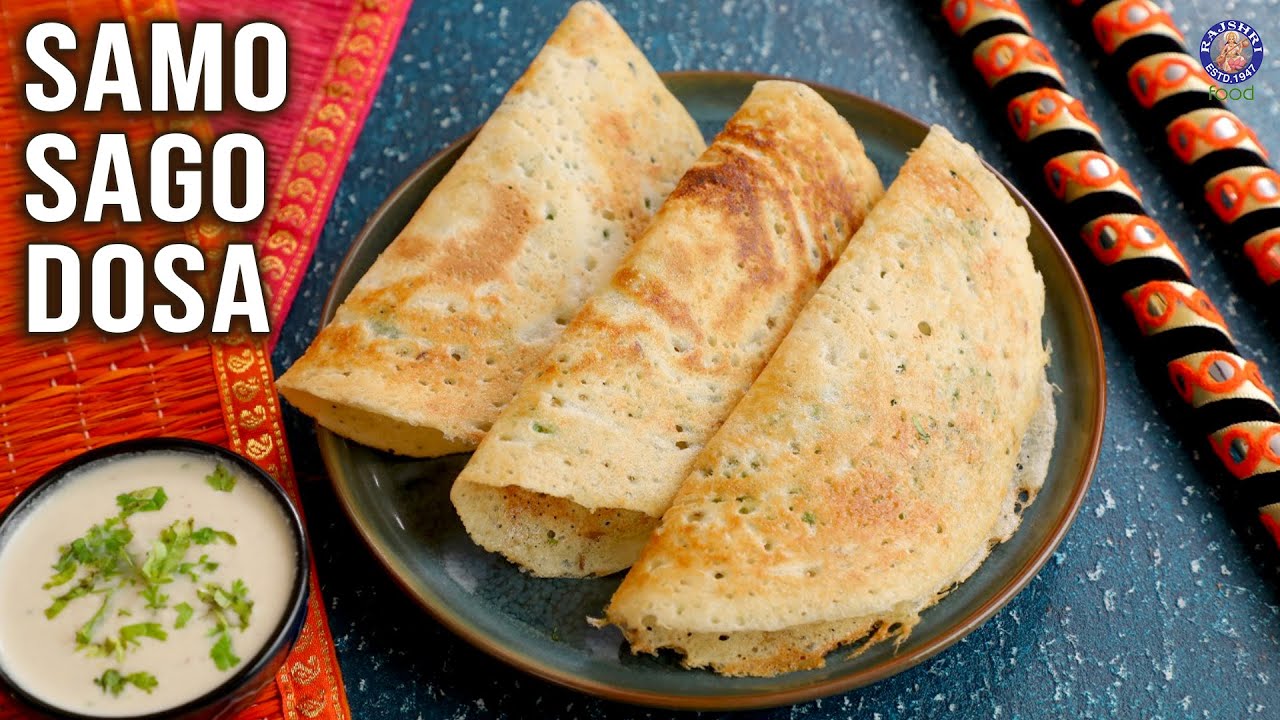
Learn how to make Samo Sago Dosa at home with our Chef Ruchi Bharani
Samo Sago Dosa Ingredients:
1 cup Samo Rice(soaked)
½ cup Sago(soaked)
1 piece Ginger (chopped)
3 Green Chillies(chopped)
3 tbsp Curd
2 – 3 tbsp Water
Salt to taste
1 tsp Cumin Seeds
Resting Time For Batter 20 – 25 min
Water
Coriander Leaves (chopped)
Oil
#fastingrecipes #navratrirecipesforfast #instantdosa #AnybodyCanCookWithRajshriFood
Visit our Website for more Awesome Recipes
Download the Rajshri Food App by clicking on this link:-
Host: Ruchi Bharani
Copyrights: Rajshri Entertainment Private Limited
Subscribe & Stay Tuned –
For more videos log onto
Find us on Facebook at
About Dosa
A dosa is a thin batter-based pancake originating from South India, made from a fermented batter predominantly consisting of lentils and rice. Its main ingredients are rice and black gram, ground together in a fine, smooth batter with a dash of salt, then fermented. Dosas are a common dish in South Indian cuisine, but now have become popular all over the Indian subcontinent. Dosas are served hot along with chutney by tradition and sambar in recent times.
About Sago
Sago (/ˈseɪɡoʊ/) is a starch extracted from the pith, or spongy core tissue, of various tropical palm stems, especially those of Metroxylon sagu. It is a major staple food for the lowland peoples of New Guinea and the Maluku Islands, where it is called saksak, rabia and sagu. The largest supply of sago comes from Southeast Asia, particularly Indonesia and Malaysia. Large quantities of sago are sent to Europe and North America for cooking purposes. It is traditionally cooked and eaten in various forms, such as rolled into balls, mixed with boiling water to form a glue-like paste (papeda), or as a pancake/Dosas.