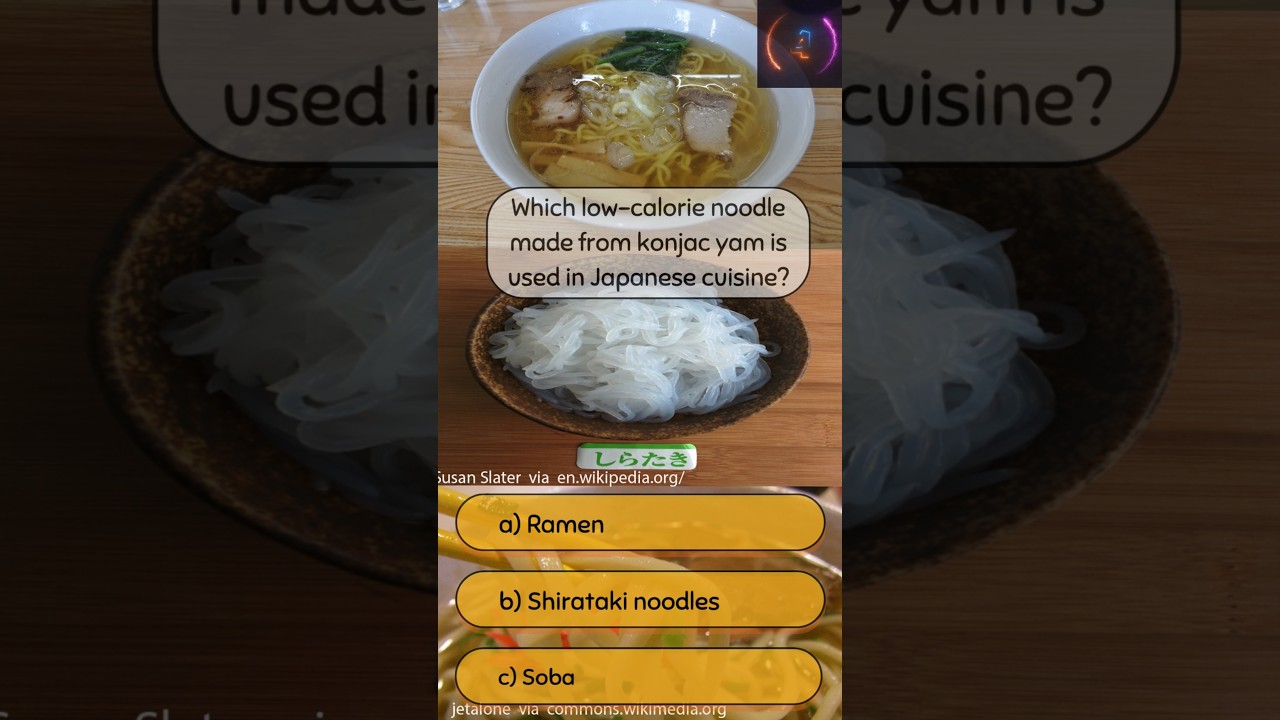
Shirataki noodles are traditional Japanese noodles made from the konjac yam (also called devil’s tongue). Known for their gelatinous texture and low-calorie content, they are often referred to as “miracle noodles.” Their neutral taste and ability to absorb flavors make them a versatile choice for various dishes.
Key Features
Main Ingredient: Glucomannan, a water-soluble fiber extracted from the konjac plant.
Appearance and Texture: Translucent and slightly rubbery, resembling glass noodles.
Calories: Nearly calorie-free and very low in carbohydrates, making them a popular choice for weight management and low-carb diets.
Nutritional Value (Per 100 grams)
Calories: ~10
Carbohydrates: 2–3 g (mainly fibre)
Protein: 0 g
Fat: 0 g
Fibre: 3–4 g
Key Mineral: Contains small amounts of calcium.
Health Benefits
Weight Management:
Extremely low in calories.
High fibre content helps promote satiety and curb appetite.
Digestive Health:
The glucomannan fibre supports gut health by acting as a prebiotic, feeding beneficial gut bacteria.
Blood Sugar Regulation:
Slows down the absorption of sugars, preventing blood sugar spikes.
Heart Health:
Fibre content may help lower cholesterol levels.
Culinary Uses
Soups and Stews:
Traditionally used in hot pot dishes like sukiyaki or shabu-shabu.
Stir-Fries:
Absorbs the flavour’s of soy sauce, sesame oil, and vegetables in a quick sauté.
Pasta Substitute:
Common in low-carb or ketogenic recipes as an alternative to wheat-based pasta.
Salads:
Served cold with a light dressing for a refreshing side dish.
How to Prepare Shirataki Noodles
Rinse Thoroughly:
Shirataki noodles often come packaged in a liquid that has a distinct smell. Rinse them under cold water for a few minutes.
Boil (Optional):
Boiling for 1–2 minutes helps remove any lingering odor.
Dry Roast:
Pan-frying the noodles without oil helps improve texture by removing excess moisture.
Cultural Notes
Name Meaning: “Shirataki” means “white waterfall” in Japanese, describing the noodles’ appearance.
Popularity: Widely used in Japan for centuries, but recently gaining global fame due to interest in low-carb and gluten-free diets.
Shirataki noodles are a nutritious and versatile ingredient that fit seamlessly into a variety of cuisines, offering a satisfying and healthy alternative to traditional noodles.