
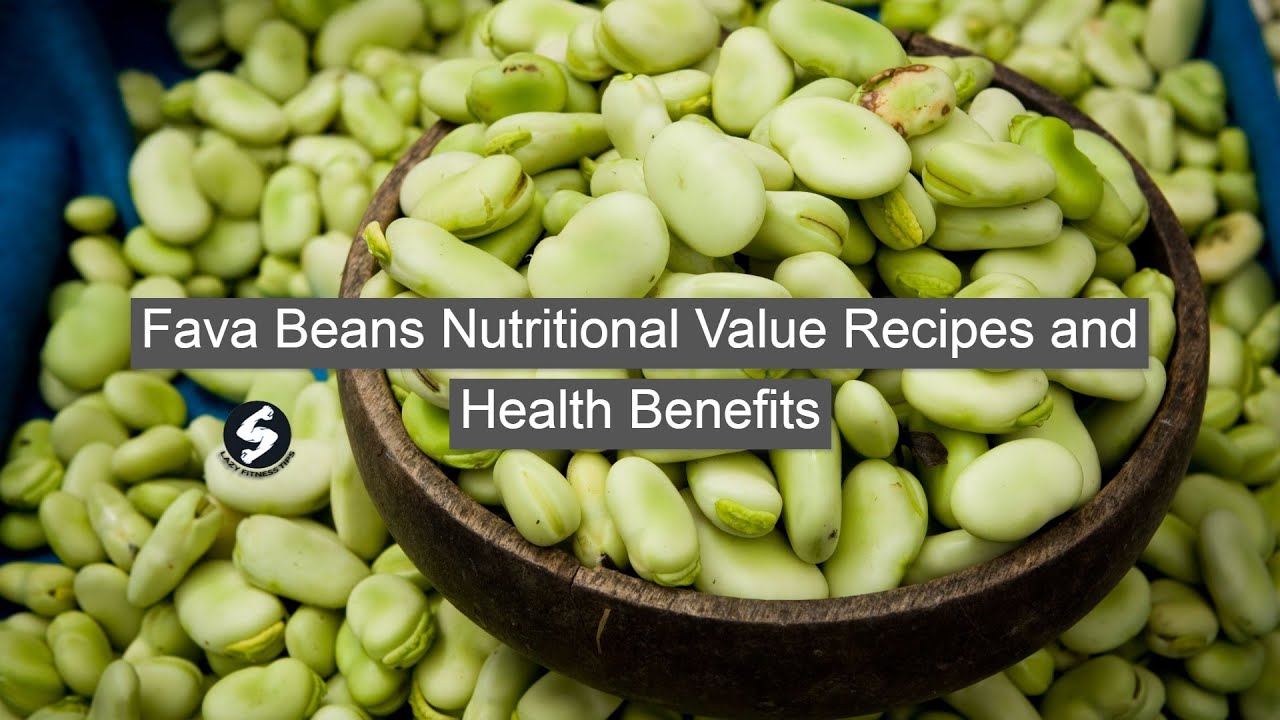
Fava Beans Nutritional Value, Recipes and Health Benefits
The fava bean, alternatively known as broad bean, is a large, flat, green leguminous vegetable.
The earliest record of its cultivation dates back to Old World Agriculture prevalent in the Neolithic times, about 6000 years ago, probably in Persia and Egypt. Traces of fava beans have also been unearthed in the tombs of Egyptian pharaohs, indicating that these legumes enjoyed royal patronage even in that era. No wonder then that fava beans became somewhat of a staple food all over the in the region thereafter.
Fava beans, along with a wide array of other legumes such as lentils and chickpea, continue to dominate Mediterranean and North African cuisines.
Here are 10 benefits of fava beans for health.
1. Promotes Heart Health and Reduces Cholesterol
Fava beans are celebrated by health enthusiasts as a rich source of dietary fiber, both soluble and insoluble. Besides keeping your digestive system working smoothly, the fibrous nature of this mighty legume can benefit your cardiovascular health.
There is enough research-based evidence that would suggest that the soluble fiber in foods, such as in fava beans, binds to low-density lipoprotein (LDL, or bad cholesterol) in the bloodstream and facilitates its elimination from the body.
2. May Reduce Parkinson’s Symptoms
Parkinson’s disease is a progressively degenerative neurological disorder that compromises the motor system. This disease is associated with the death of dopamine-producing cells in the brain, which leads to difficulty in initiating, coordinating, and controlling movement.
The conventional treatment for Parkinson’s rests primarily on drugs containing L-dopa, an amino acid that aids in the synthesis of neurotransmitters in the brain, such as dopamine, epinephrine, and norepinephrine.
Given that fava beans boast a bountiful supply of L-dopa, eating fava beans may help supplement this chemical in the blood and thereby relieve some symptoms of Parkinson’s in the early stages. It could also be beneficial for Alzheimer’s disease.
3. May Help Prevent Birth Defects
The primordial importance of a wholesome and nutrient-rich diet to ensure a healthy pregnancy is not news to anybody. While all of us need a steady supply of folate and vitamin B12 for the synthesis of DNA, RNA, and red blood cells, expecting mothers are recommended additional supplementation of these critical nutrients.
4. May Help with Weight Management
Fava beans are a weight-watcher’s delight in more ways than one. Not only do they help promote feelings of satiety, but these healthful legumes can also pave the way for weight loss.
Fava beans have all the characteristics in order to be part of a nutrient-dense low-calorie diet. They have both soluble and insoluble fiber as well as plenty of proteins.
5. Source of Antioxidants and Immune Booster
Fava beans are replete with antioxidant nutrients such as vitamin E, vitamin C, beta-carotene, copper, iron, and zinc, all of which enhance the functioning of the immune system in their respective ways.
A substantial part of its antioxidant effects can also be attributed to the high contents of L-dopa, and various compounds called kaempferol glycosides found in fava bean sprouts.
7. May Work as a Diabetic-Friendly Food
Beans are a godsend for people with problematic blood sugar levels as they check all the boxes for a diabetic-friendly food. They are considered low on the glycemic index, which means they release a slow, steady source of glucose rather than the instant sugar high associated with the consumption of simple carbohydrates.
8. Helps Improve High Blood Pressure
Broad beans are one of the best plant sources of potassium, an essential electrolyte that performs a number of vital functions within the body.
Not only does potassium ensure the proper functioning of cells, nerves, and muscles, but it is also tasked with the responsibility of keeping our blood pressure in check by countering the effects of sodium. This balancing act is, in turn, is conducive to maintaining optimum kidney and heart functions.
9. Helps Preserve Bone Health
Fava beans may be a surprising source of bone-building nutrients, including copper and manganese.
Inadequate intake of manganese and copper has been associated with reduced bone mass and increased calcium excretion.
Eating more fava beans can supplement your body with manganese and copper, which can increase bone matrix strength, and collagen, which is needed to make bone cells.
10. Helps Combat Anemia
Fava beans are a source of iron, which is an essential prerequisite for hemoglobin synthesis. Hemoglobin is a protein that allows red blood cells to transport oxygen throughout the body and to the cells. Thus, it is essential for you to maintain an adequate intake of iron to keep your cells and body sufficiently energized and active.