
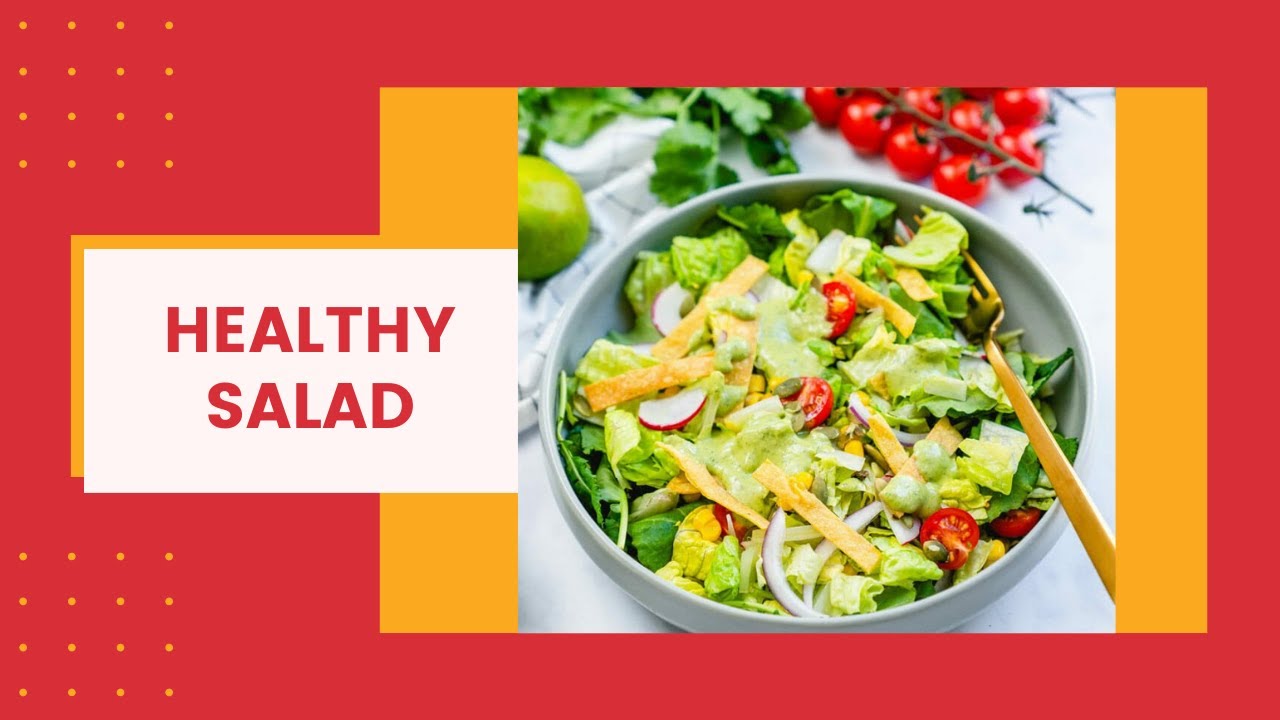
Topic : HEALTHY SALAD RECIPES | ADVANTAGES Explained | Healthy Food
For GYM Information or Individual Online Training Contact Below
Phone Number : +91 98316 75830
Mail ID : indradas76@gmail.com
Subscribe Here :
Importance of Salad?
Leafy green vegetables are nutrient rich because leaves contain the light-catching, energy-converting machinery of plants. Salad greens contain Vitamin A, Vitamin C, beta-carotene, calcium, folate, fiber, and phytonutrients (see Table 1). Leafy vegetables are a good choice for a healthful diet because they do not contain cholesterol and are naturally low in calories and sodium. Many of the health benefits that leafy greens provide come from phytonutrients, unique compounds that provide protection for plants. These compounds are becoming recognized as part of a nutritious diet that promotes long-term health. Phytonutrients can act as antioxidants, which help to prevent chronic diseases like cancer and heart disease. Figure 1 shows the antioxidant content of different kinds of lettuce.
Quick Facts About Salad
Lettuce, spinach, and other salad greens are an important part of a healthful diet because they can be year-round sources of vitamin A, vitamin C, and other nutrients.
Red and dark green leafy vegetables are generally higher in antioxidants, Vitamin B6, and other nutrients than lighter colored greens.
It is important to store leafy greens at refrigerator temperatures and rinse well under running water before using.
To reduce the risk of foodborne illness, observe “Use by” dates printed on bagged leafy vegetables and salad mixes and use within two days after opening.
There are many flavorful and nutritious leafy greens available to consumers, especially if you choose to grow them from seed.