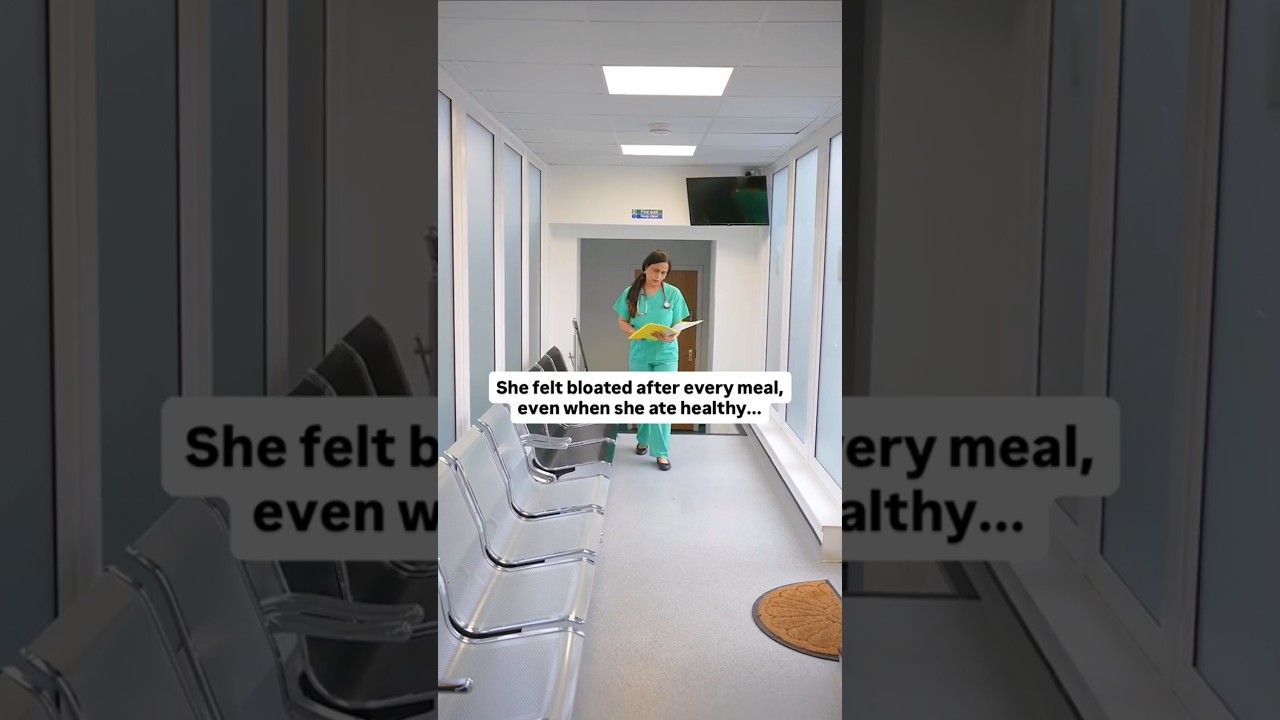
She wasn’t eating junk.
She wasn’t overeating.
She was doing everything “right.”
And still… every meal left her feeling heavy, bloated, uncomfortable.
So she blamed the food.
Cut things out. Ate cleaner. Tried again.
Nothing changed.
Because the issue wasn’t what she was eating.
It was how her body was processing it.
⚠️ What’s often missed:
Bloating after every meal is rarely just about food.
It can be a sign that digestion is slowing down due to:
* low stomach acid
* poor gut motility
* eating too fast or stressed
* weak digestive enzyme activity
* chronic stress affecting gut function
When digestion slows, food sits longer → ferments → creates gas → leads to bloating.
The real shift:
Instead of cutting more foods…
support digestion first.
🌿 Simple habits that actually help:
* eat slowly and chew properly
* avoid eating in a stressed state
* take a short walk after meals
* don’t overload meals with too many foods
* maintain consistent meal timings
Your gut doesn’t just need “healthy food.”
It needs the right environment to process it.
Save this… bloating is a signal, not something to ignore.
Doctor’s Note:
Persistent bloating after meals is often linked to digestive function rather than the food itself.
Factors such as stress, low stomach acid, poor gut motility, and eating habits can affect how efficiently food is broken down.
Supporting digestion can significantly improve symptoms.
Disclaimer: This content is for general educational purposes only and does not constitute medical advice, diagnosis, or treatment. Always consult a qualified healthcare professional for personalised medical guidance.
#bloating
#digestivehealth
#guthealth
#womenshealth
#hormonehealth