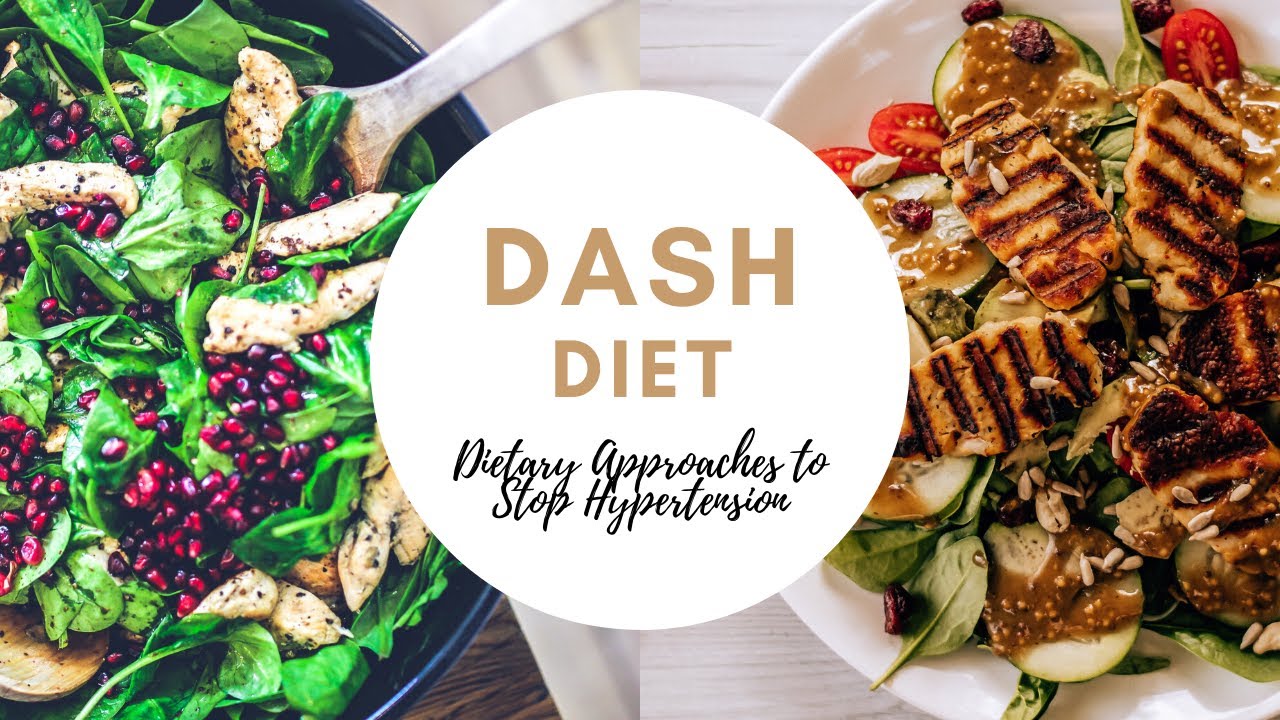
Get Dietary Approaches to Stop Hypertension, also known as the DASH diet, is an eating plan designed to reduce blood pressure. The DASH diet encourages individuals to increase the consumption of vegetables, fruits, and low-fat dairy products while decreasing the consumption of total fat, saturated fat, cholesterol, and sodium.
Studies have shown that using the DASH diet can significantly lower systolic blood pressure by about 5-11 mmHg and diastolic blood pressure by about 3-6 mmHg compared to a control diet in patients with hypertension.
The U.S. News and World Report ranked it the best and healthiest diet plan.
These are some suggestions for how to get started on the DASH diet.
1. Make a calorie plan.
The DASH diet is based on a recommended number of servings from various food groups. Once you determine how many calories you need to consume, it’s easy to plan your meals and snacks around any foods you prefer.
2. Reduce your salt intake.
There are two versions of DASH allowing 2,400 or 1,500 milligrams of salt. If you’re over 50 or have certain medical conditions, you may need to use the lower limit. Try to eat less processed food and experiment with other seasonings like herbs, vinegar, and lemon.
3. Eat more vegetables, fruits, and whole grains.
Most people will need to increase their daily servings of produce and whole grains. These fiber-rich foods will help you feel full and supply important nutrients your body needs.
4. Switch to low-fat dairy products.
Look for skim milk or low-fat milk when you’re grocery shopping. Buy nonfat or low-fat yogurt. If you’re lactose intolerant, try dairy alternatives or other lactose-free products.
5. Cut back on red meat.
Get your protein from leaner sources like a fish. Eat more beans and other vegetarian dishes. When you eat meat, watch the portion sizes. A 3 ounce serving of meat is about the size of a deck of cards.
6. Limit your sugar intake.
Sugar is high in empty calories. Drink water instead of soda. Eat fruit for dessert and snack on brown rice cakes.
7. Focus on healthy fats.
Cutting back on processed foods will also help you avoid trans fats that increase the risk of heart disease. Opt for healthier monounsaturated and polyunsaturated fats like olive or canola oil.
8. Make gradual changes.
Suddenly eating more whole foods can cause bloating and diarrhea. Give your body time to adapt by introducing them into your diet step by step. Add an extra helping of vegetables to one meal a day. Substitute whole-grain bread for your usual breakfast pastry.
9. Learn new recipes.
You can still enjoy delicious food. Visit your local library or take a cooking class on how to prepare seasonal produce and other fresh ingredients.
10. Get a free guidebook.
Look for resources that offer free guidebooks. It can help you design an individual plan and track your progress.
Here are other lifestyle suggestions!
Hypertension can cause heart and kidney disease. Continue taking any medication your doctor prescribes for high blood pressure and talk with your doctor about how to get the most out of the DASH diet.
Losing excess weight will help you lower your blood pressure. Your doctor can advise you on how to lose weight gradually.
Engage in moderate physical activity for at least 30 minutes a day most days of the week. If you’re trying to lose weight, increase that to 60 minutes daily. Find activities you enjoy so you’ll stick with your program.
Get fit by following the DASH diet! If you have high blood pressure, it will help you manage your condition. And even if your blood pressure is normal, a DASH diet is a healthy way to live!