
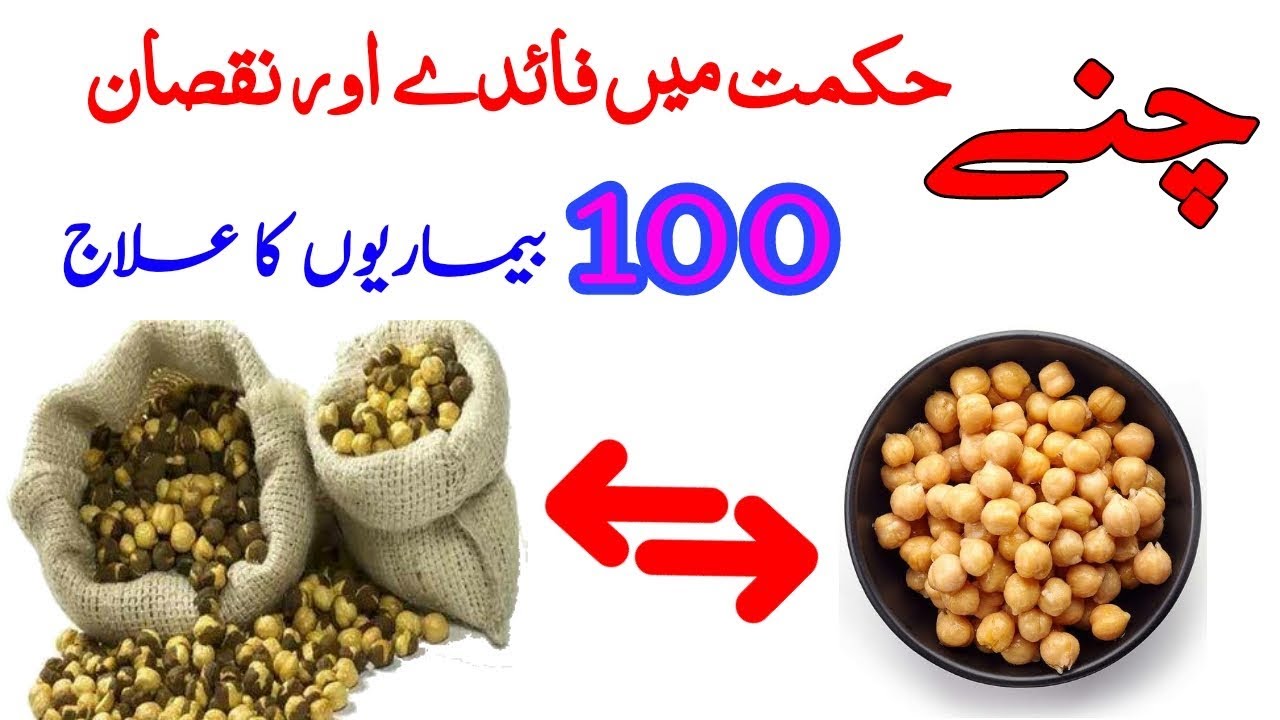
1-ounce (28-gram) serving provides the following nutrients
Calories: 46
Carbs: 8 grams
Fiber: 2 grams
Protein: 3 grams
Folate: 12% of the RDI
Iron: 4% of the RDI
Phosphorus: 5% of the RDI
Copper: 5% of the RDI
Manganese: 14% of the RDI
► 1. May Help You Manage Your Weight
Chickpeas have several properties that may help you control your weight.
First, chickpeas have a fairly low calorie density. This means they provide few calories relative to the amount of nutrients they contain.
People who eat lots of low-calorie foods are more likely to lose weight and maintain it than those who eat a lot of high-calorie foods.
Furthermore, the protein and fiber in chickpeas may promote weight management due to their appetite-lowering effects and potential to help reduce calorie intake at meals.
In one study, those who ate chickpeas regularly were 53% less likely to be obese and had a lower body mass index and weight circumference, compared to those who did not eat chickpeas.
Additionally, another meta-analysis found that those who ate at least one serving of legumes, such as chickpeas, each day lost 25% more weight than those who did not eat legumes.
Although these findings are promising, more human studies are needed to establish the effects that chickpeas have on weight management. Regardless, they are an incredibly healthy food to include in your diet.
► 2. Support Blood Sugar Control
Chickpeas have several properties that may help manage your blood sugar levels.
First, they have a fairly low glycemic index (GI), which is a marker of how rapidly your blood sugar rises after eating a food. Diets including many low-GI foods have been shown to promote blood sugar management.
Second, chickpeas are a good source of fiber and protein, which are both known for their role in blood sugar regulation.
This is because fiber slows carb absorption, which promotes a steady rise in blood sugar levels, rather than a spike. Also, eating protein-rich foods may help maintain healthy blood sugar levels in individuals with type 2 diabetes.
In one study, 19 people who ate a meal that contained 200 grams of chickpeas had a 21% reduction in blood sugar levels, compared to when they ate a meal that contained whole-grain cereal or white bread.
Another 12-week study found that 45 individuals who ate 728 grams of chickpeas per week had a notable reduction in their fasting insulin levels, which is an important factor in blood sugar control.
What’s more, several studies have associated chickpea consumption with a reduced risk of several diseases, including diabetes and heart disease. These effects are often attributed to their blood-sugar-lowering effects.
3. Inexpensive and Easy to Add to Your Diet
Chickpeas are incredibly easy to include in your diet.
They are quite affordable and convenient. Most grocery stores carry them in canned and dry varieties.
What’s more, chickpeas are versatile and can be used in a variety of dishes. One popular way to eat them is by adding them to salads, soups or sandwiches.
They’re also a main ingredient in hummus, which is a dip made with mashed chickpeas, tahini, olive oil, lemon juice, salt and garlic. You can buy hummus from the store or make it on your own, such as in this recipe.
Another way to enjoy chickpeas is to roast them, which makes for a delicious and crunchy snack. You can also incorporate them into veggie burgers or tacos.
Due to their protein content, they can make an excellent substitute for meat.