
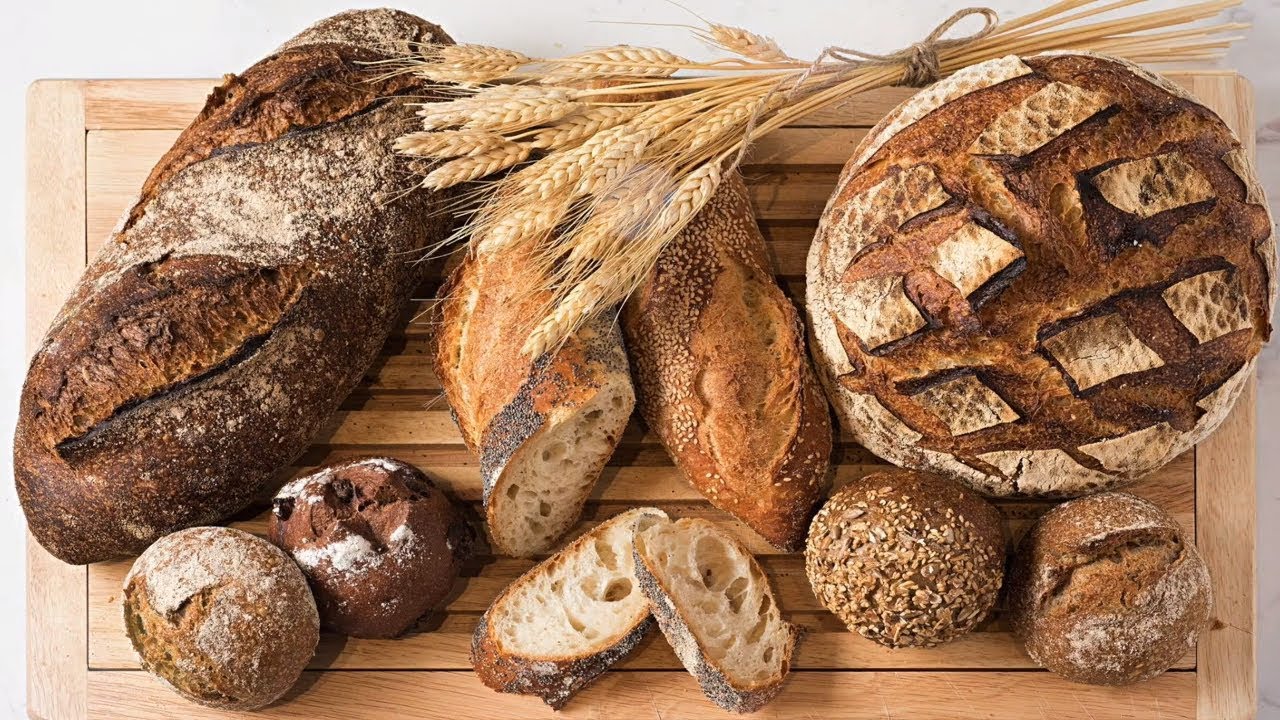
Multigrain, Whole Wheat, Wholegrain – Which Bread Is Healthiest for You and Why
Whole wheat, wholegrain, multigrain, sourdough, rye, white, high fiber white, low GI, low FODMAP, gluten-free. With so many choices of bread available, how are we to know which is best for our health.
Bread has always been a dietary staple in households. It’s a good source of carbohydrate, it’s low in f, and whole grain varieties are a good source of protein, fiber, vitamins, and minerals, as well as healthy f.
Due to the grains being ground down during processing, white and whole wheat breads have a higher glycemic index (GI) than whole grain bread, which results in glucose being released into the bloodstream more quickly. Regular consumption of lower GI foods helps to regulate blood glucose levels, keeping us fuller for longer and helping us eat fewer calories to keep our weight in check.
Whole Wheat
Whole wheat bread is made from whole grains that have been milled to a fine texture, giving a plain brown appearance. Whole wheat flour contains more fiber than white flour. Whole wheat bread also contains more vitamins and minerals than many white breads, but has a higher GI than whole grain breads.
Multigrain
Often multigrain bread is made from white flour with some added grains. Despite this, multigrain breads tend to have more fiber and a lower GI than white bread, resulting in longer lasting energy.
Whole Grain
Whole grain bread contains the entire grain: the bran (outer layer), endosperm (starchy middle layer), and germ (nutrient-rich inner part). It’s a rich source of carbohydrates, protein, unsaturated f, vitamins, and minerals, as well as three types of fiber.
Whole grain bread has a dense whole wheat flour base and well as lots of grain and seeds. Look for “whole grain” in the ingredient list.
High Fiber White
High fiber white breads are white breads that have fiber added to them. This makes them a better choice than regular white bread, especially for children (or big kids) who won’t eat whole grain bread.
Gluten-Free
Gluten-free breads are made from an alternative grain to wheat, so as to avoid the wheat protein gluten. Traditionally, gluten-free breads have had a lower fiber content and higher GI than their wheat-containing counterparts.
These breads are useful for people with a gluten intolerance such as coeliac disease but offer no additional health benefits beyond regular breads for the rest of us.
Go for a whole grain, whole grain rye, or authentic sourdough breads (particularly rye or grain sourdough). The soft, fluffy white breads are best left for the occasional Bunnings sausage sizzle, where the only decision to make is onions or no onions.
Watch full video and know more about it.
If you like our video don’t forget to like and subscribe for more stuff
Official Website
Nutshell School tags – knowledge minute one nutrition #healthybread #multigrain #wholegrain